What AI tools can you use to build a SaaS?
Bolt, Lovable, Replit, Claude Code, Cursor, and ChatGPT Codex all build SaaS products from plain English descriptions. They differ in where they are strongest. Bolt and Lovable start from a blank project and produce a running app quickly. Claude Code and Cursor work inside an existing codebase and suit developers who want more control. Replit adds hosting and a database in the same place. All of them produce better output when given a designed template as a visual reference alongside the product description.
How long does it take to build a SaaS with AI?
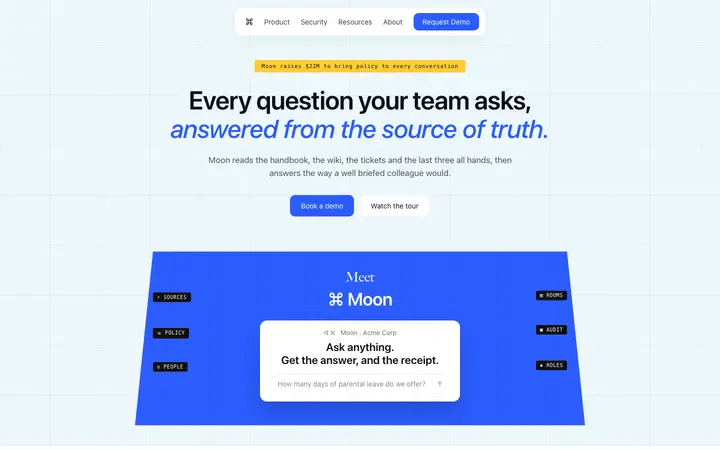
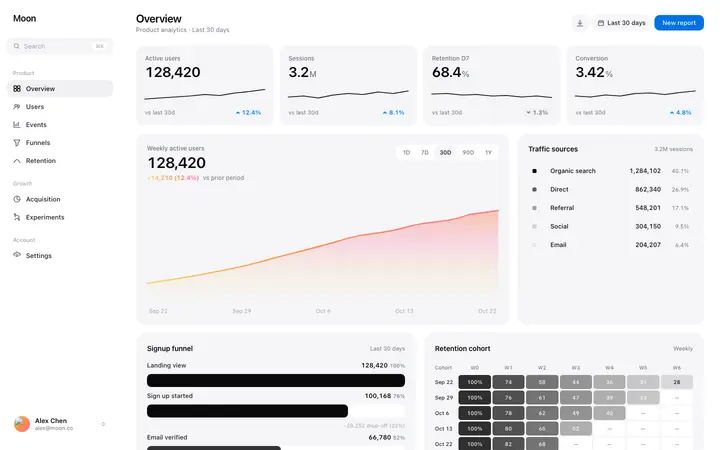
A functional SaaS product with a landing page, onboarding, dashboard, and pricing page takes one to three days to build with an AI coding tool. The code is the fast part. Getting each stage right takes longer: the landing page needs to convert, the onboarding needs to activate users, the dashboard needs to be fast to use daily, and the pricing page needs to make one plan the obvious choice. Starting each stage from a BrowserMoon template cuts the design work at every stage.
What pages does a SaaS product need?
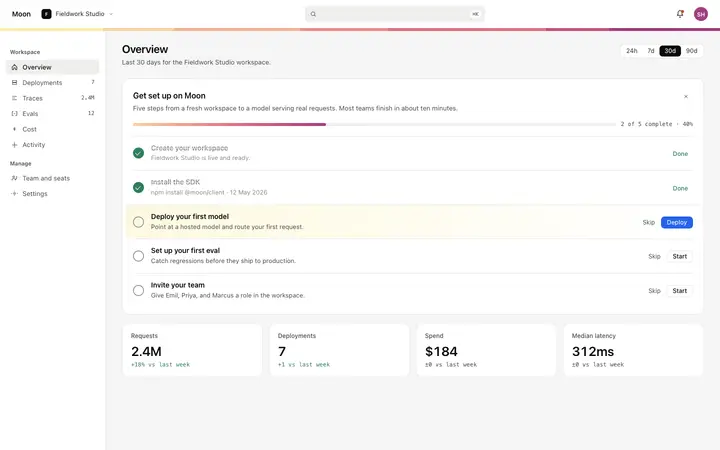
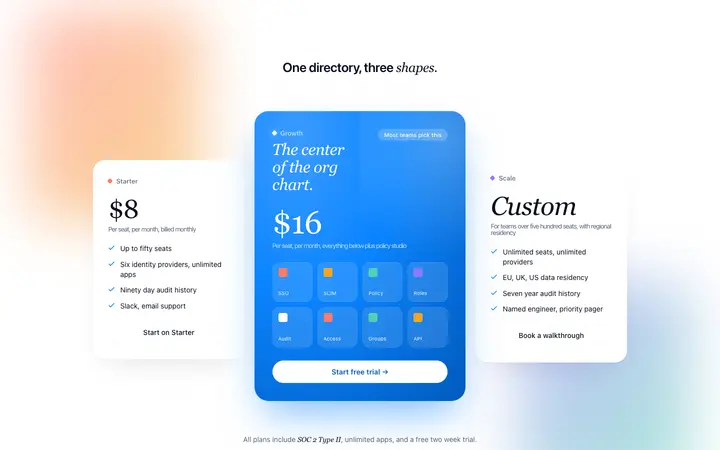
A SaaS product needs six core pages or screens: a landing page to convert visitors to signups, an onboarding flow to get new users to first value, an activation experience to move users to the action that predicts retention, a dashboard or main product screen for daily use, a pricing page to convert free users to paid, and conversion patterns throughout the product to surface the upgrade at the right moment. Most AI-built SaaS products have the first and fourth. The others are where the product either grows or stalls.
How do I make a SaaS built with AI look professional?
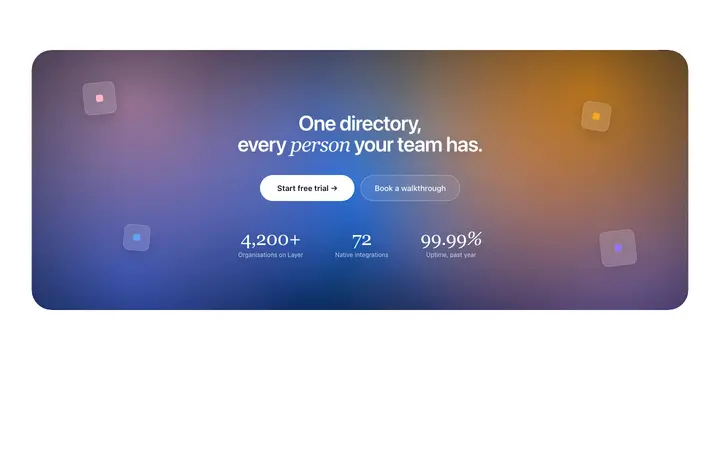
The look of an AI-built SaaS comes from the design reference the tool uses. With no reference, the tool converges on a generic visual style shared by most AI-generated products: default type sizes, default spacing, a blue or purple accent, the same component library. Pasting a BrowserMoon template into the prompt before the tool generates anything shifts that reference to a specific, considered design. The AI inherits the spacing, type, and visual hierarchy from the template and builds around it.
Can you build a SaaS without a developer using AI?
Yes. Bolt, Lovable, and Replit are designed specifically for building products without writing code directly. They handle routing, authentication, database connections, and deployment from plain English instructions. The parts of a SaaS that people who do not code typically struggle with are the design decisions at each stage: what goes in the hero, how the onboarding should flow, how the pricing cards should be weighted. Templates solve that layer without code.
What is the difference between building a SaaS and building a website with AI?
A website has pages. A SaaS has a user lifecycle. The design decisions that matter for a SaaS are about what happens after a user signs up: the onboarding flow that gets them to first value, the dashboard they use every day, the pricing page that upgrades them, the conversion patterns that surface the upgrade at the right moment. A website does not have those stages. Building a SaaS well means designing each stage of the user journey, not just the marketing page.