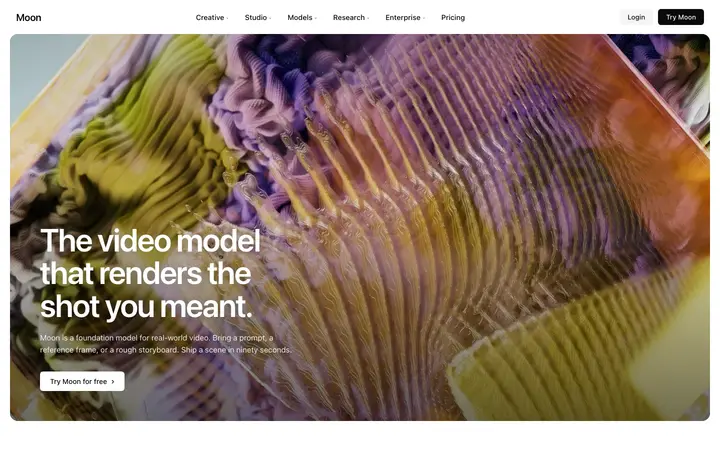
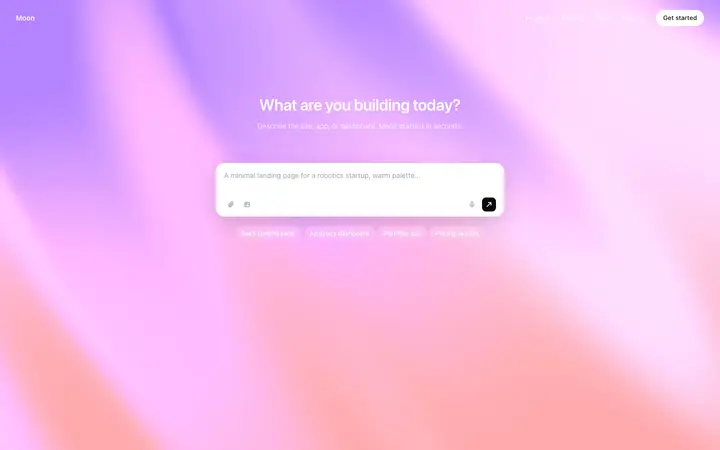
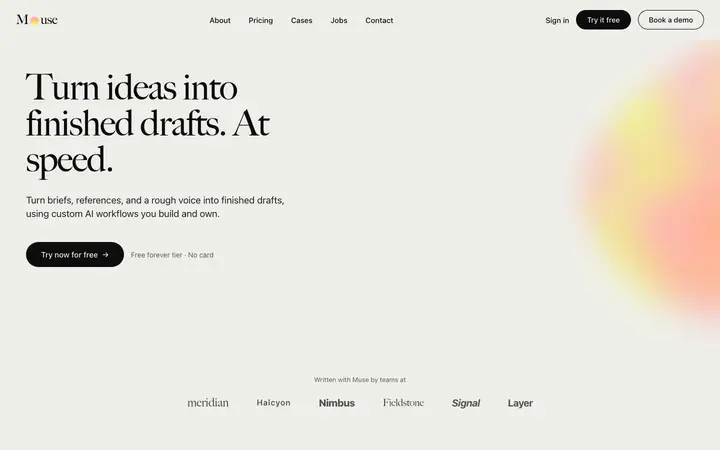
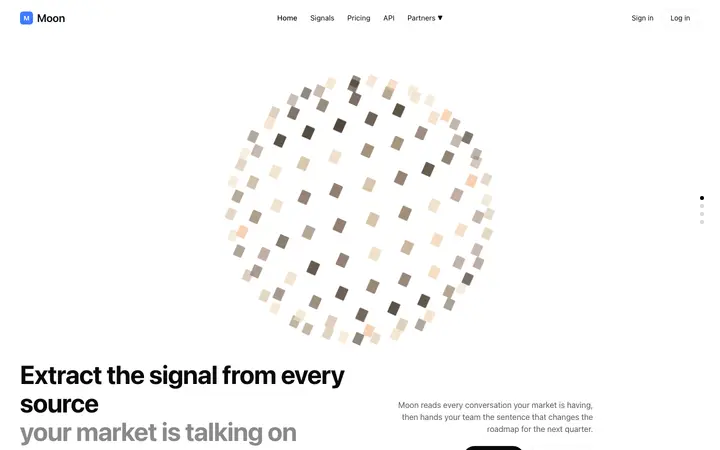
Are these React templates?
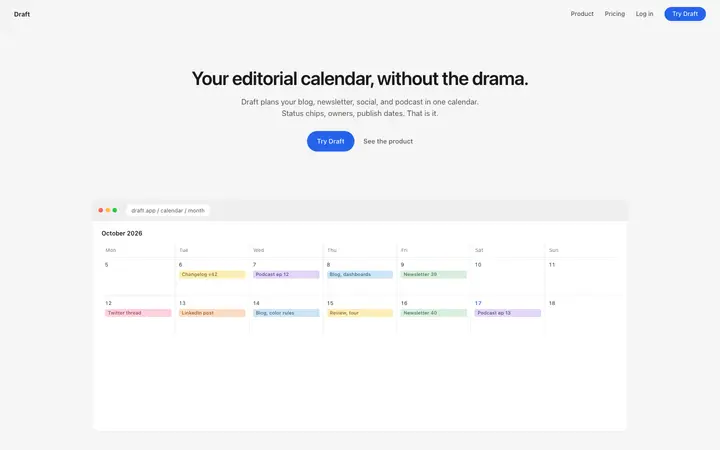
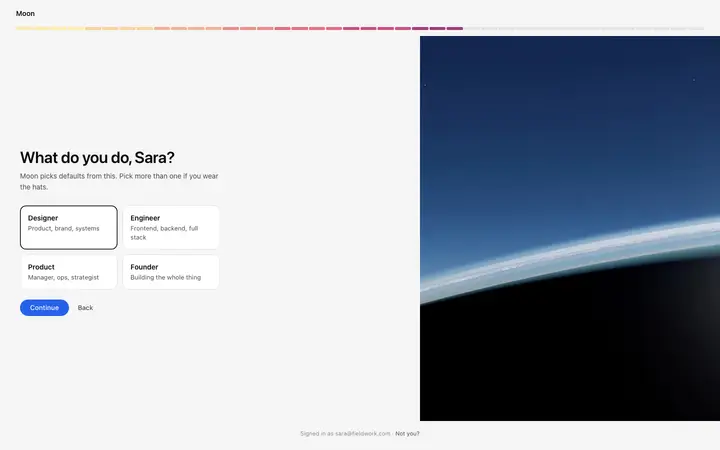
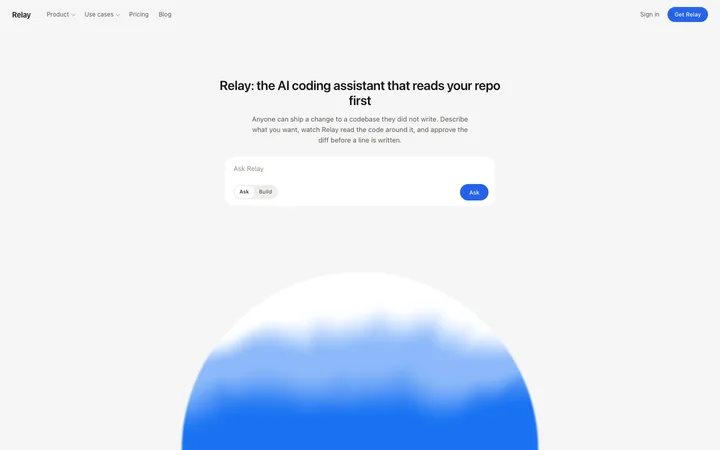
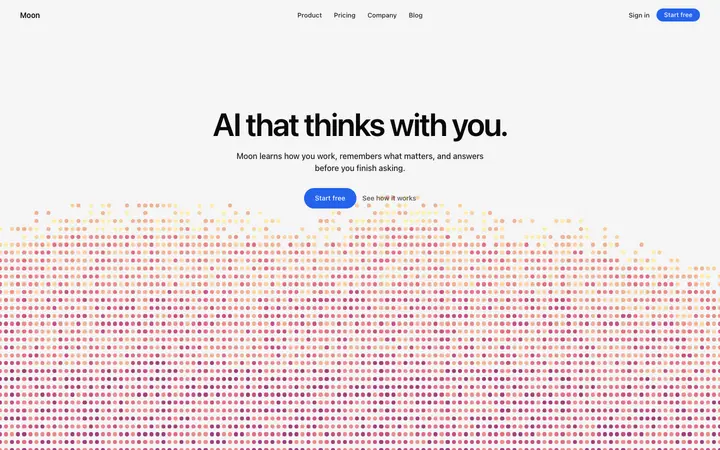
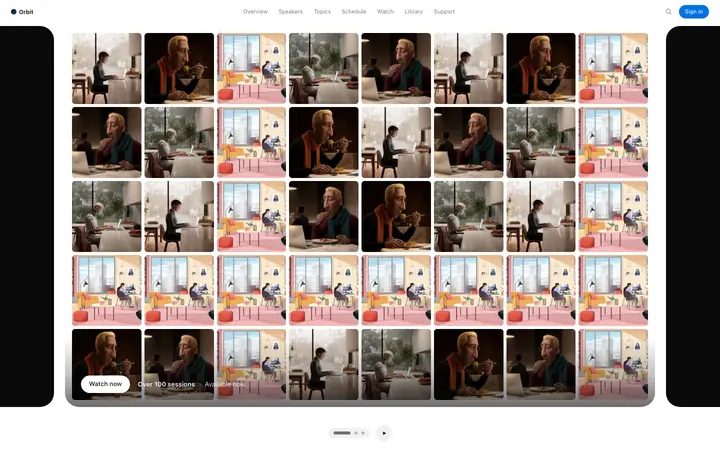
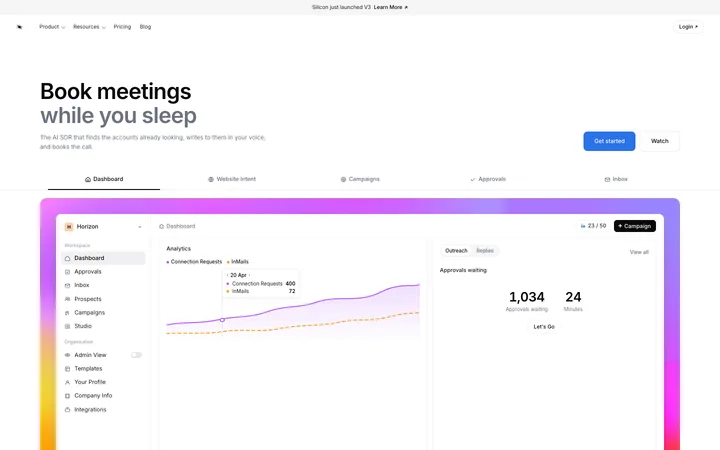
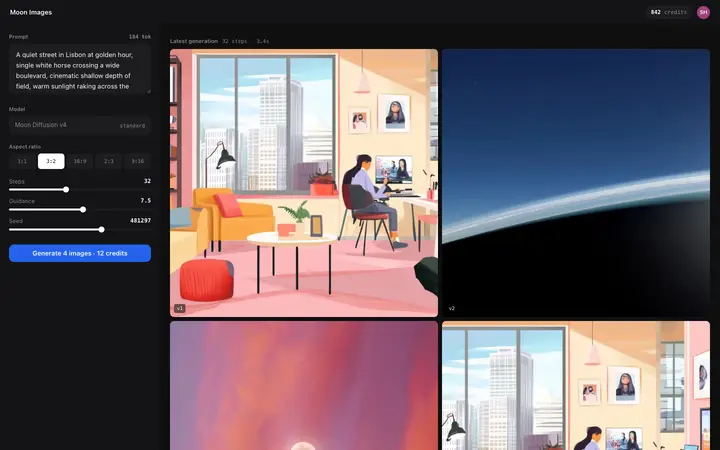
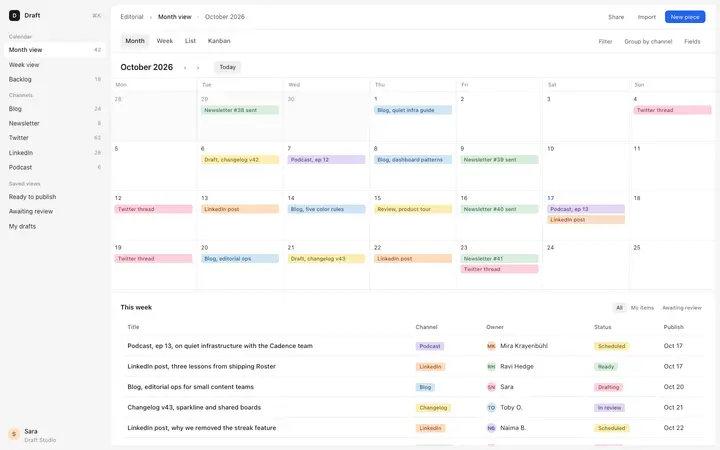
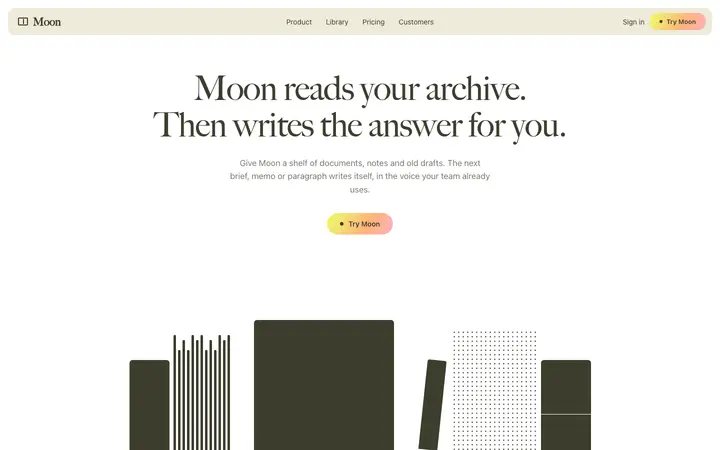
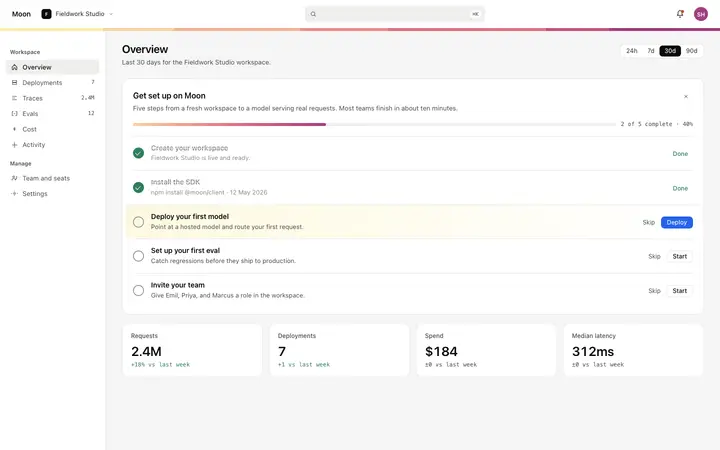
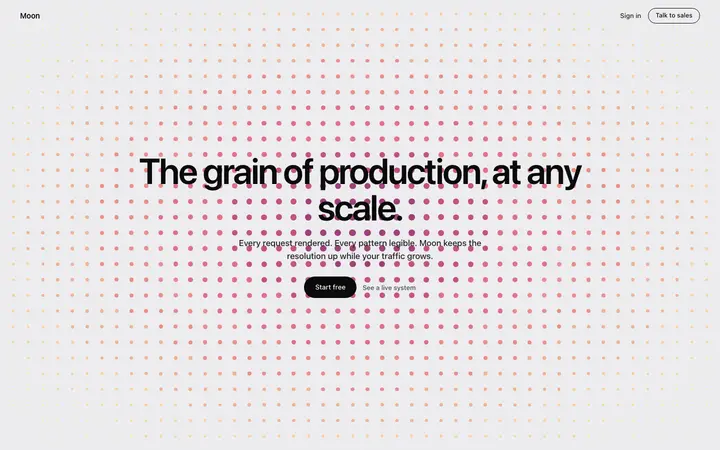
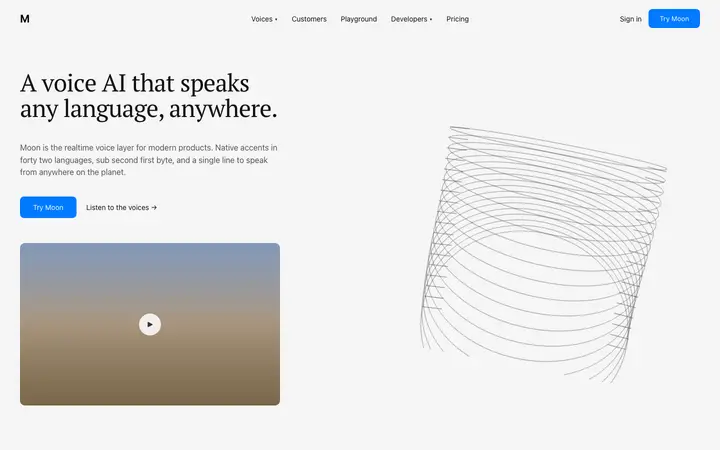
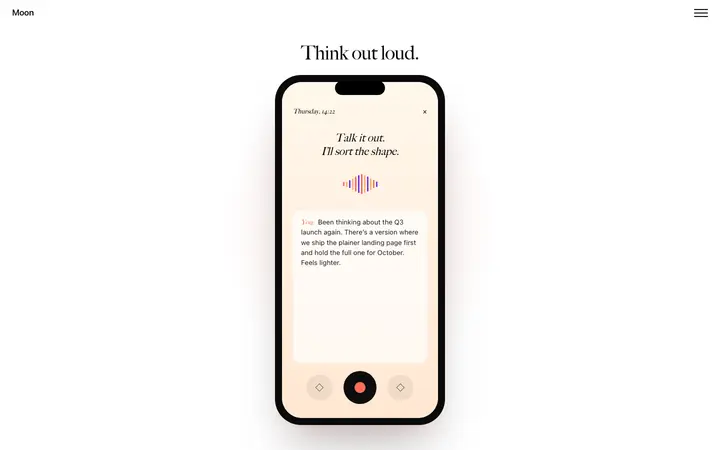
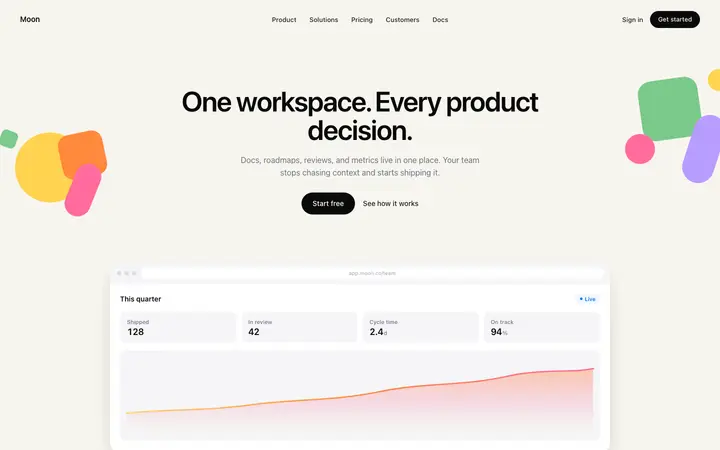
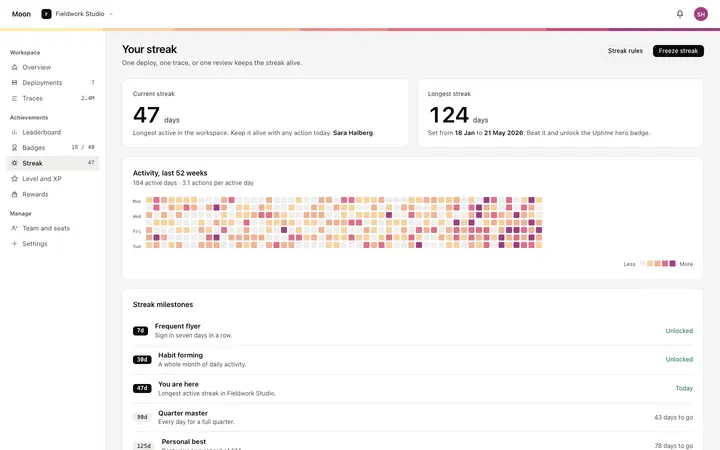
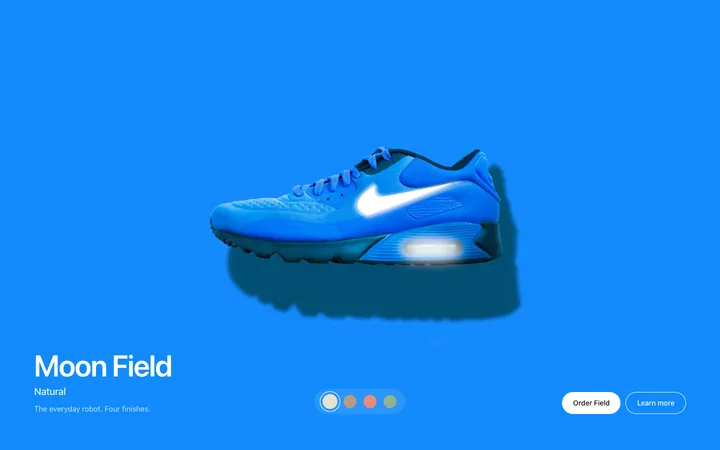
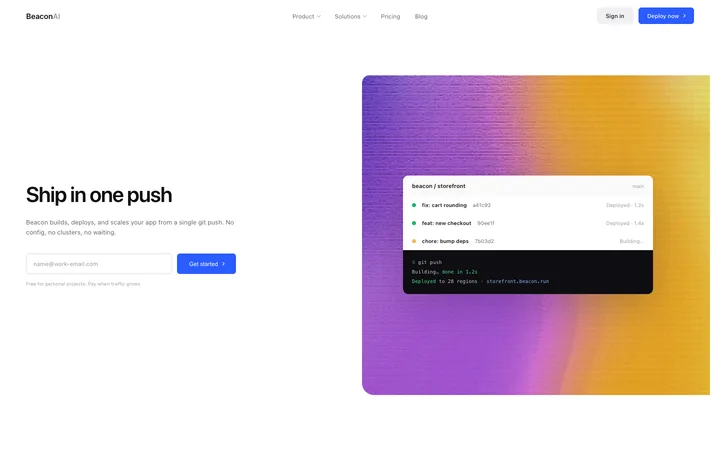
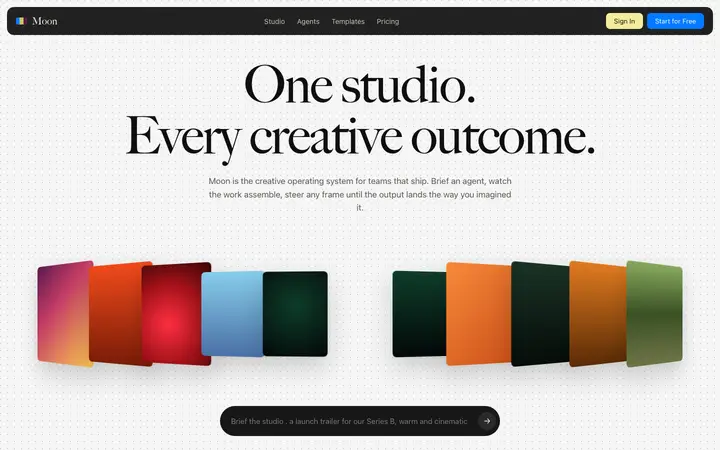
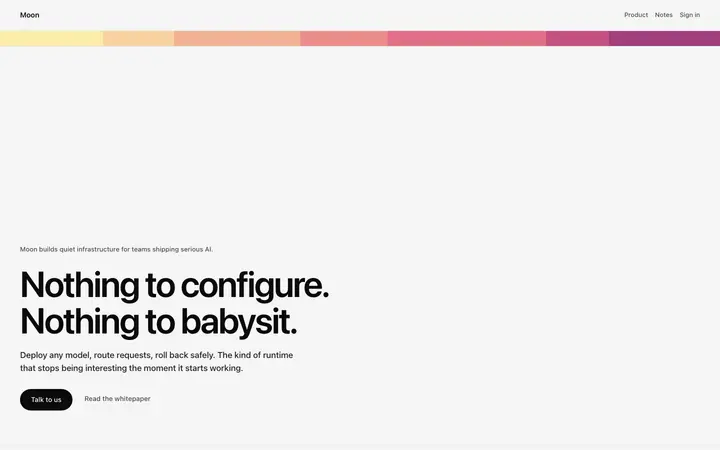
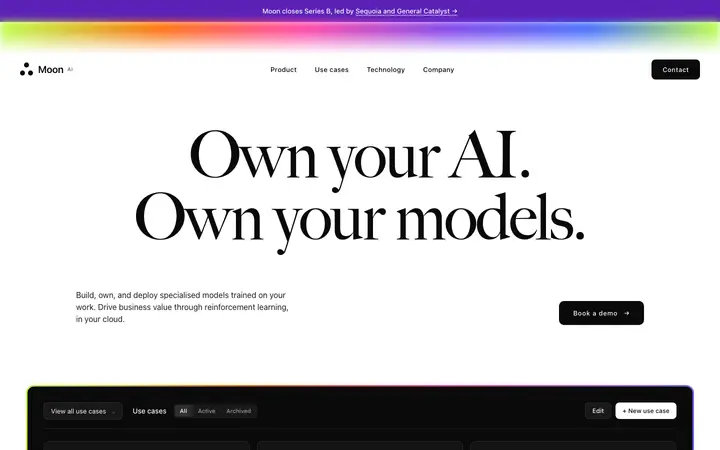
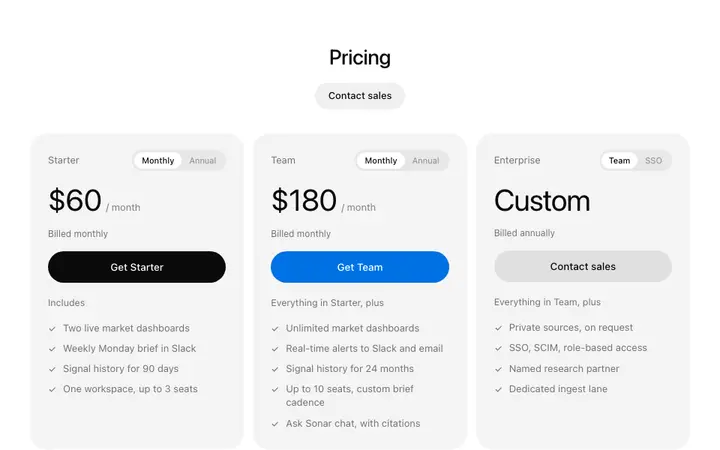
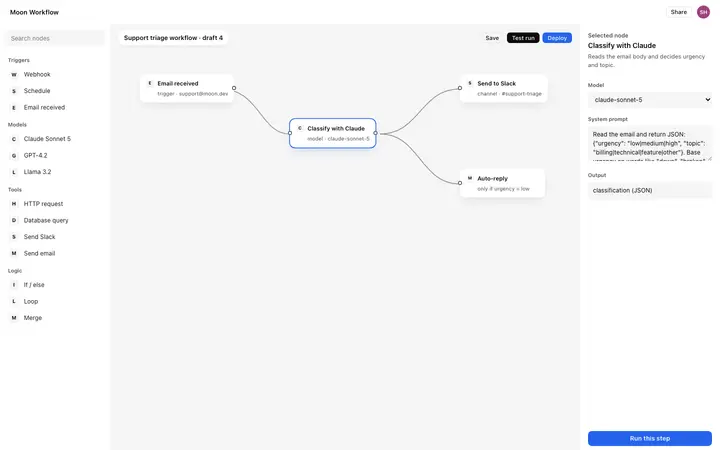
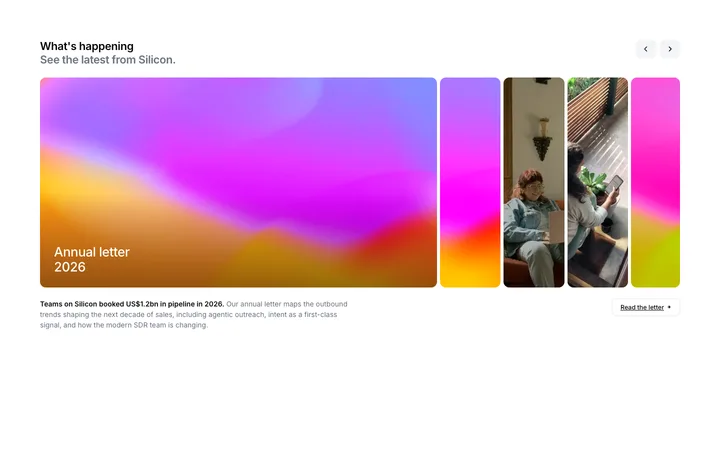
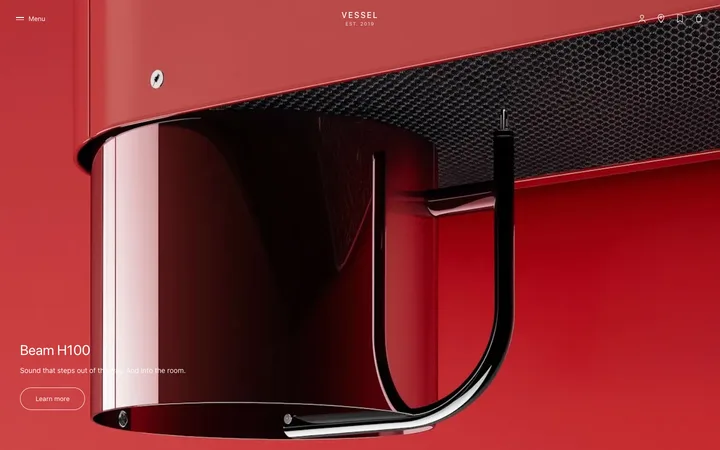
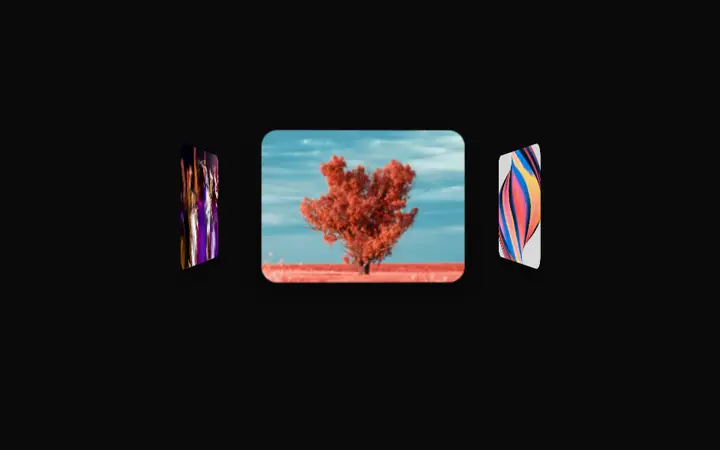
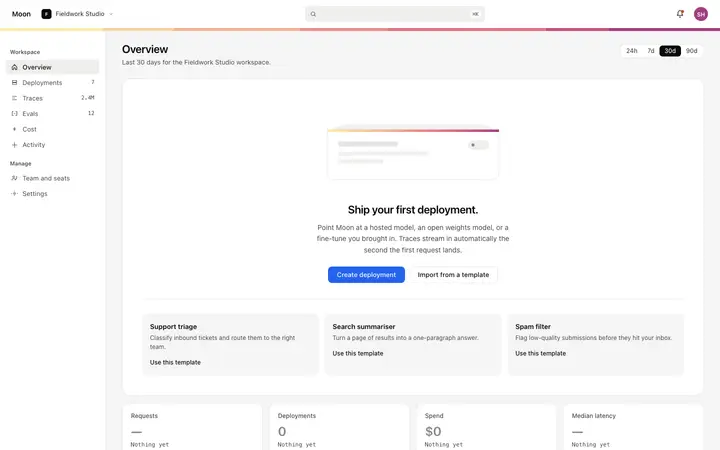
No, and we would rather say so plainly. Every template is plain HTML and CSS. They are designs your AI coding tool turns into React, which is a different thing from a React component library and worth knowing before you copy one.
How do I turn an HTML template into a React component?
Copy the template, paste it into Claude Code, Cursor, or your tool of choice, and ask for it as a React component. Say whether you want props for the copy, whether it should be a server or client component, and which styling approach you use. It comes back in your conventions.
Why not just use a React template?
You can, and for some teams that is the right answer. The catch is that a React template arrives married to a React version, a styling library, and a folder structure. Plain HTML has none of that, so the design is the only thing you are taking.
Will the animations survive the conversion?
The CSS ones do, since they move across as they are. Anything driven by JavaScript needs the logic moved into an effect, which your AI coding tool handles when you ask it to. Say which template you are converting so it can see what is there.