v0 login page templates for AI websites and apps
Real login page designs you can copy into v0. v0 turns a pasted template into react components for Next.js, styled with Tailwind CSS and shadcn/ui. Below: the designs, how to set v0 up so it keeps the design, and what makes a good login page.
v0 login page templates
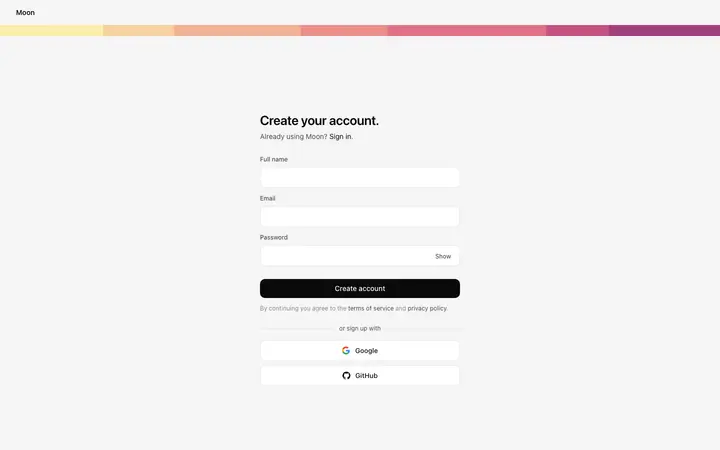
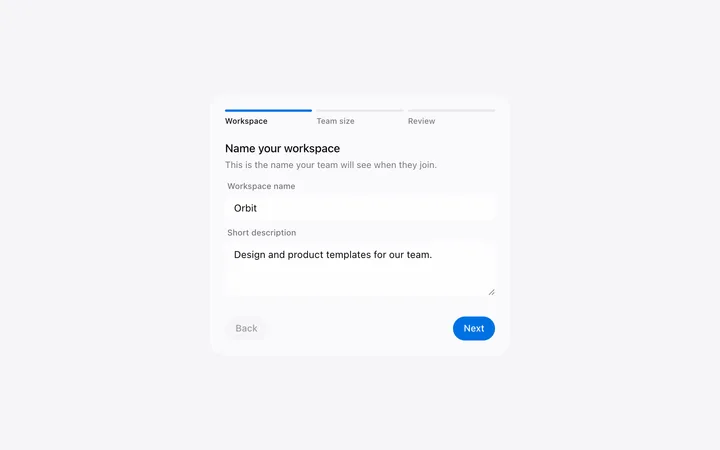
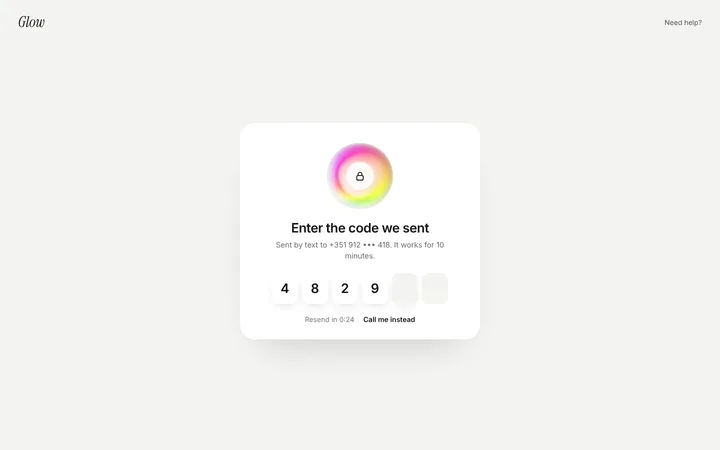
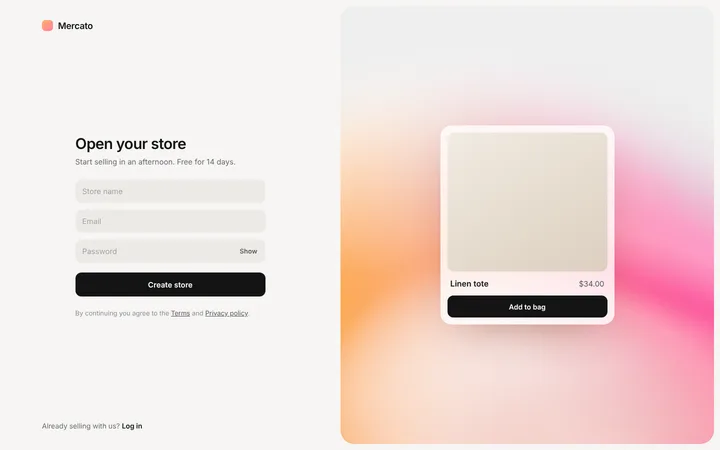
22 login page design templates for v0. Browse the full BrowserMoon library for every template category.
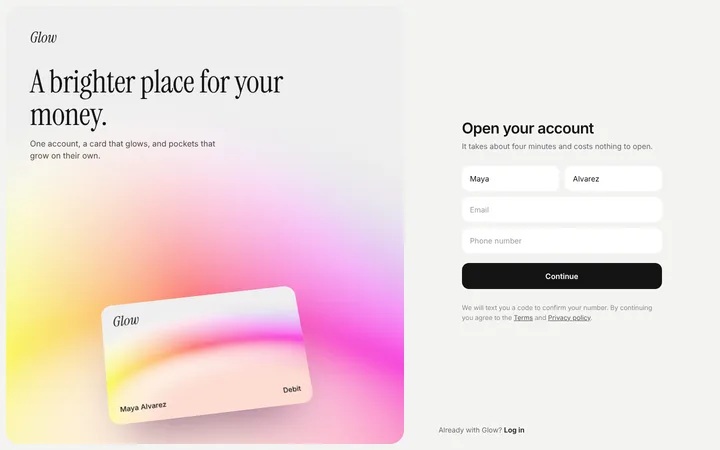
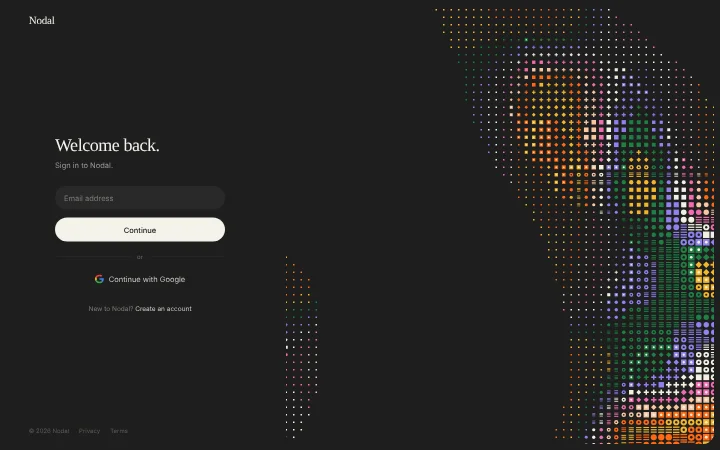
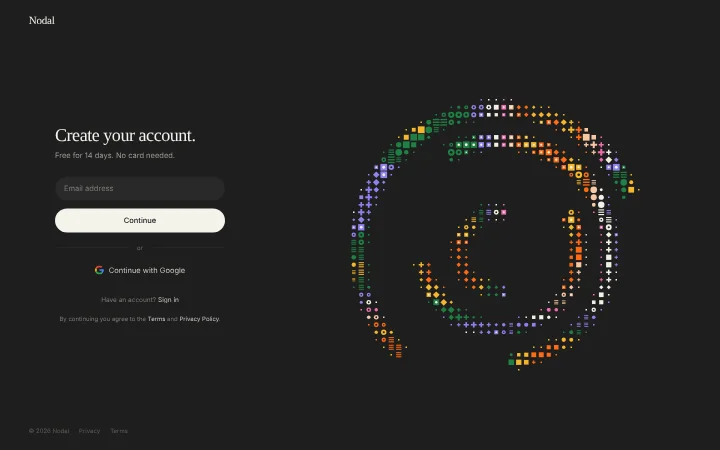
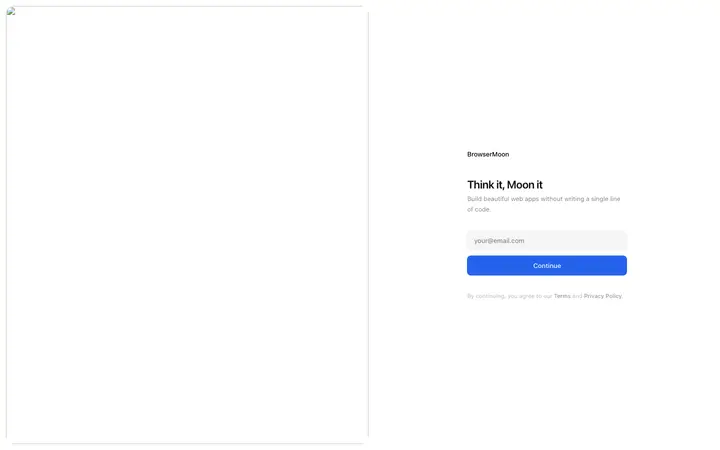
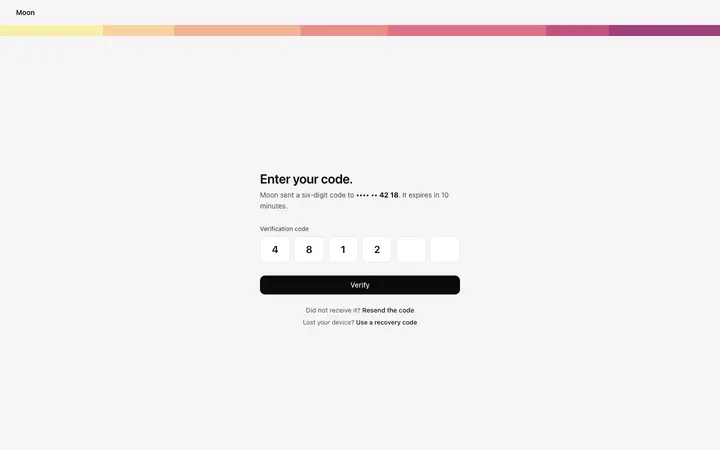
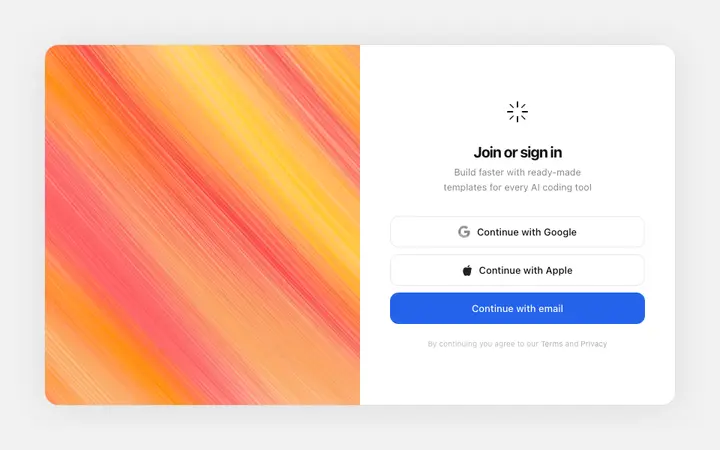
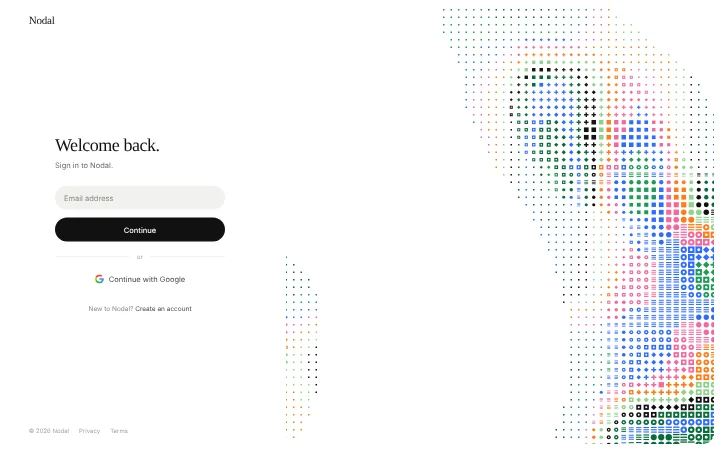
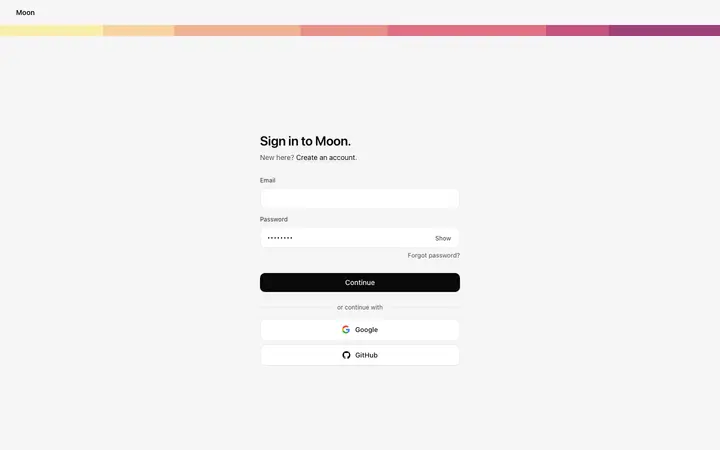
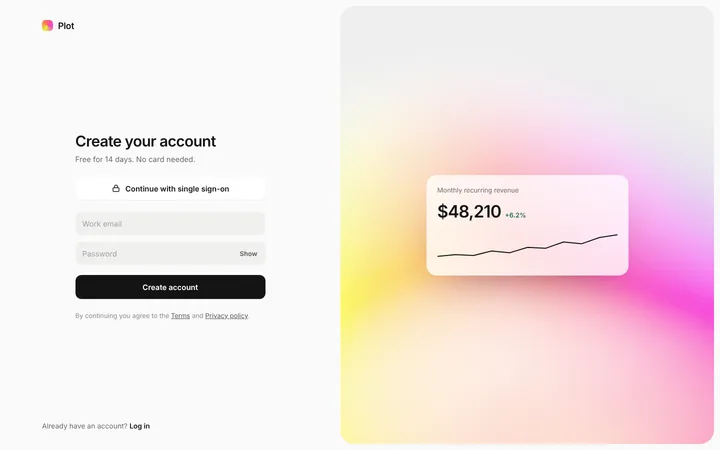
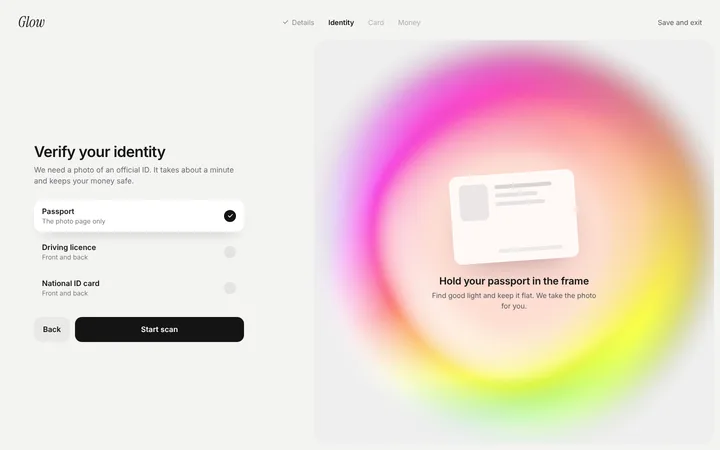
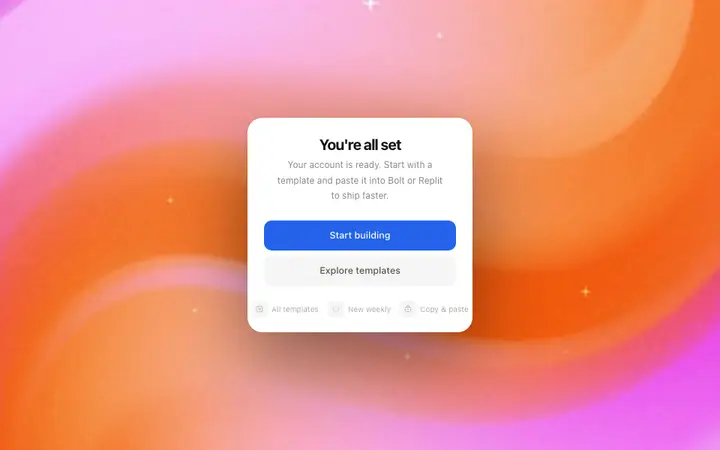
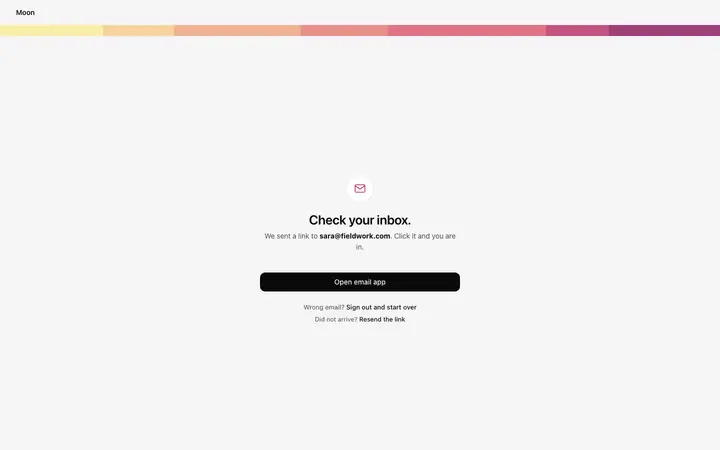
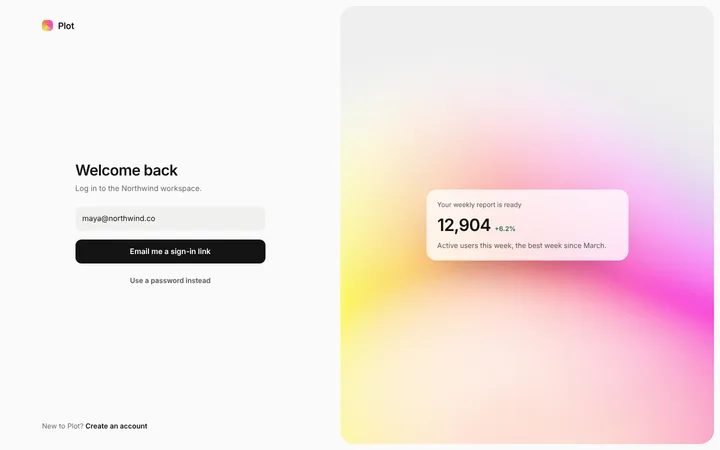
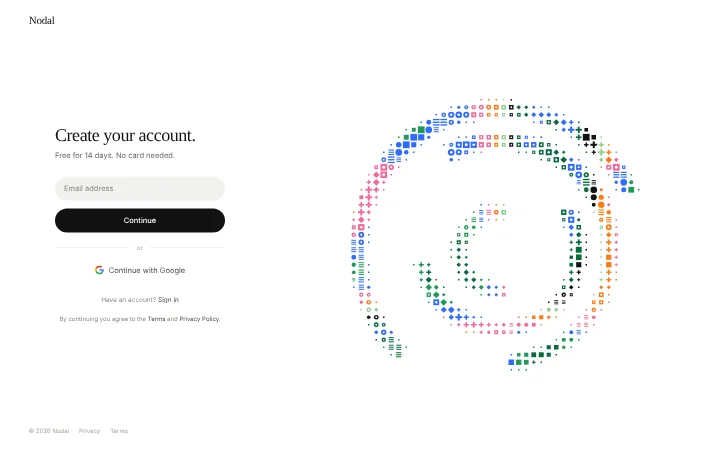
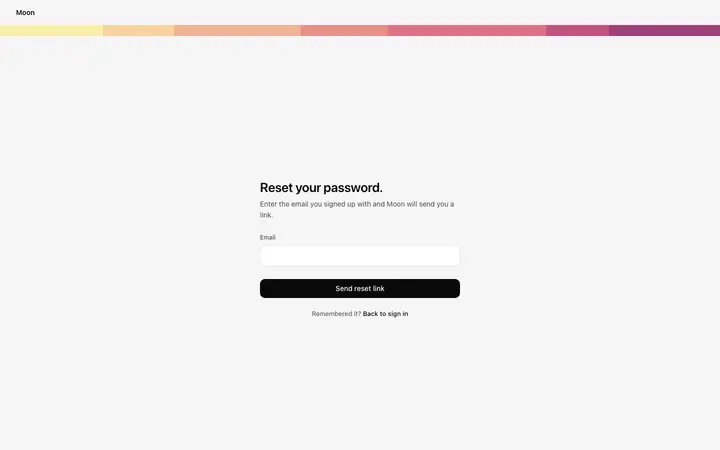
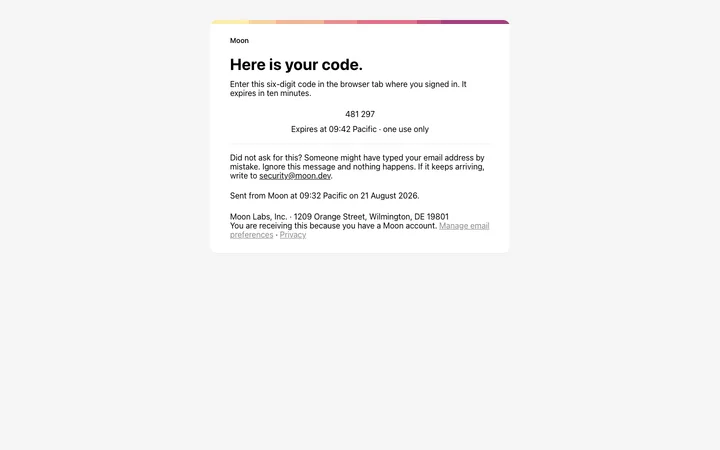
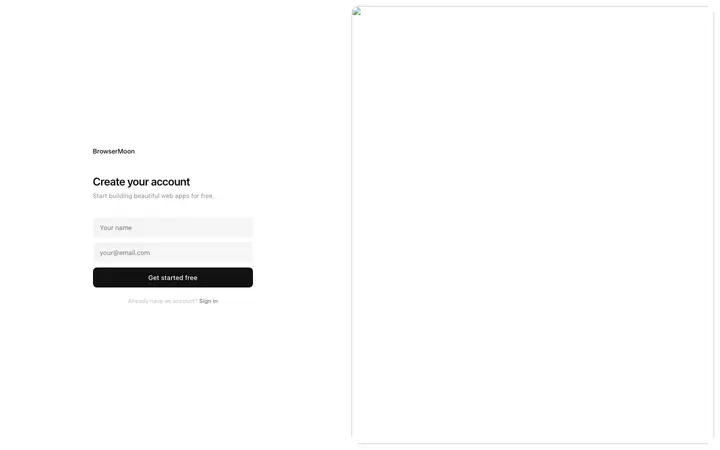
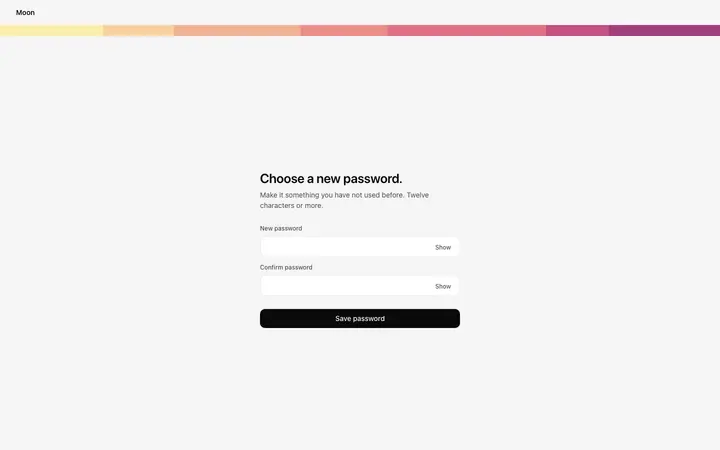
Building a login page in v0
Paste the login template and ask v0 to build the sign in page with its default auth setup, keeping the template's design instead of the default shadcn look.
Restyle the shadcn Input and Button once, and every form in the app matches.
How to use login page templates with v0
Pick a design
Choose a login page design above and open it to see it live.
Copy the template
Copy the template from its page. It is one HTML file with no dependencies.
Set up v0
Paste the template into your v0 prompt and ask for the same design as a React component.
Prompt, then refine
Paste it and describe your product. Then follow up with: "Recreate the pasted HTML as a React component. Keep its colours, font sizes and spacing; do not use the default shadcn styling."
What makes a good login page
Common types: sign in pages, sign up pages, email first login, social login with Google or Apple, magic link screens, password reset and two factor screens.
Fast to finish
Social sign in first, then email, with as few fields as possible.
Clear errors
Messages sit next to the field and say how to fix it.
Matches the product
Same logo, colours and type as the app behind it.
Common mistake: A default form that looks nothing like the rest of the product, which makes people hesitate to type a password. Login page design ideas →
Keeping the design in v0
v0 generates React components for Next.js, so it suits teams already on Next.js and shadcn/ui who want polished components to drop into their app.
What v0 builds
React components for Next.js, styled with Tailwind CSS and shadcn/ui.
Where the design goes
Paste the template into your v0 prompt and ask for the same design as a React component.
v0 and login pages
v0 leans on its default shadcn/ui look, so custom colours and type can fade unless you ask to keep them. Paste the template again with your follow-up prompt if it starts to drift.
What to tell it
Keep the layout and button styles from the template, and connect the form to your auth provider (Supabase, Clerk or your own) without changing the design.
Not sure which login page design fits?
Ask Mon, the AI design assistant, describe your product and Mon suggests the login page design and how to prompt v0 with it.
Frequently asked questions
How do I use a login page template in v0?
Paste the template HTML into your v0 prompt at v0.dev and v0 generates a React component with Tailwind classes that matches the template design. Paste the template into your v0 prompt and ask for the same design as a React component.
What does v0 turn the template into?
React components for Next.js, styled with Tailwind CSS and shadcn/ui.
How do I stop v0 changing the design?
v0 leans on its default shadcn/ui look, so custom colours and type can fade unless you ask to keep them. A follow-up prompt that helps: "Recreate the pasted HTML as a React component. Keep its colours, font sizes and spacing; do not use the default shadcn styling."
What makes a good login page?
Fast to finish: social sign in first, then email, with as few fields as possible. Clear errors: messages sit next to the field and say how to fix it. Matches the product: same logo, colours and type as the app behind it.
Any v0 tips for login pages?
v0 leans on its default shadcn/ui look, so custom colours and type can fade unless you ask to keep them. Paste the template again with your follow-up prompt if it starts to drift.
More v0 template categories
Login page templates for other tools