Security settings template for SaaS apps
Interactive security settings template for SaaS products and web apps. Account security with two factor authentication, active sessions, a password form, and SSO. Use this AI template with Claude Code, Replit, Lovable, ChatGPT Codex, Bolt, Cursor, or another coding tool.
About this vibe coding template
Interactive security settings template for SaaS products and web apps. A security settings dashboard covering all the key security controls for an account. The two factor authentication section shows whether an authenticator app is active, with setup or disable options. The current session is marked so the user knows which device they are on. The SSO section shows whether single sign on is configured and lets workspace admins set up or update the SSO connection. Use it as the security settings page for any SaaS product, web app, or developer tool. Minimal design. Paste it into Claude Code, Replit, Lovable, ChatGPT Codex, Bolt, or Cursor and describe the password rules, two factor authentication flow, and SSO details you want.
Build a full SaaS settings area with this template design
A SaaS settings area covers account settings, workspace settings, team members, API keys, and security pages that share one sidebar, so one settings template can set the standard for every page after it. Copy the template, paste it into Claude Code, Replit, Lovable, ChatGPT Codex, Bolt, or Cursor, and send this alongside it.
Paste into Claude Code, Replit, Lovable, Bolt, or Cursor
Common questions about this template
What does this security settings template include?
A password change form, a two factor authentication status section with setup and disable options, an active sessions list showing each signed in device with the device name, browser, location, and a sign out action, and an SSO configuration block for workspace admins.
How does the active sessions list work in this SaaS security template?
Each entry in the sessions list shows the device, browser, location, and last active time, with a sign out action on each row. The current session is labeled so the user can identify their own device. A sign out all other sessions button lets them end every other active session at once.
Which settings templates make up the full settings surface?
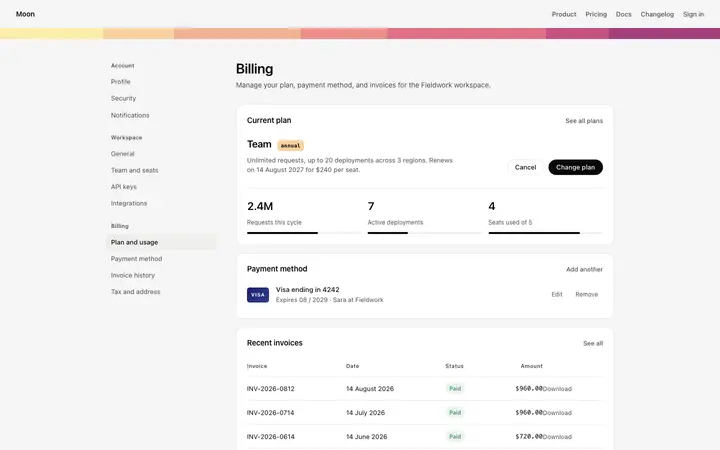
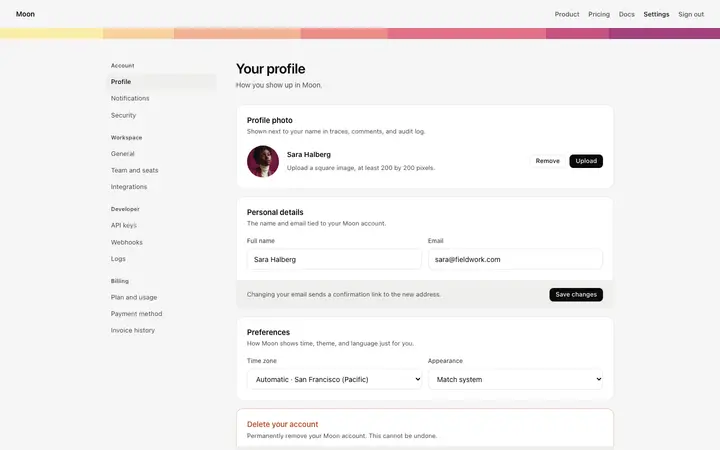
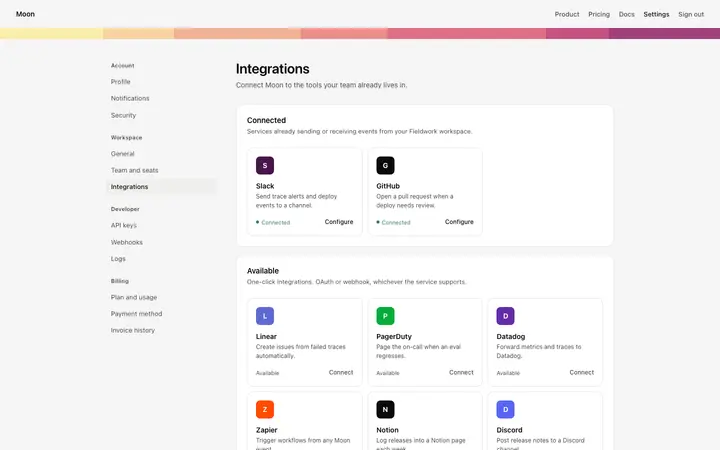
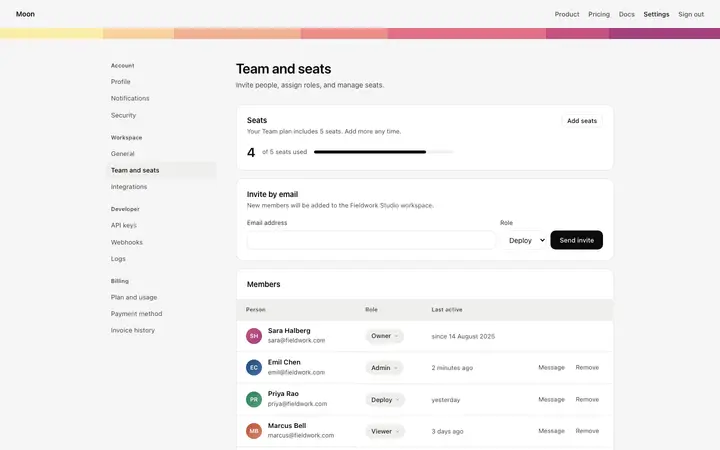
Six templates cover the settings surfaces of a SaaS product: the account settings page for profile photo, personal details, and display preferences, the workspace settings page for workspace name, URL, and ownership transfer, the team members page for inviting members, assigning user roles, and managing seats, the API keys page for live and test API keys and a webhook secret, the integrations page for connected apps and available services, and the security settings page for password, two factor authentication, active sessions, and SSO.
How does this security settings page relate to the auth kit templates?
The security settings page covers the same surfaces as two templates in the auth kit: the two factor authentication page for setting up an authenticator app, and the reset password page for account recovery. A builder putting together a complete account security flow will want all three.
Which vibe coding tools work with this security settings template?
Claude Code, Replit, Lovable, ChatGPT Codex, Bolt, and Cursor. Paste it in and describe the password rules, two factor authentication flow, and SSO details you want.
How do I build a full SaaS settings area with this template?
Copy this coding template, paste it into Claude Code, Replit, Lovable, ChatGPT Codex, Bolt, or Cursor, and tell the tool to use it as the design system for your whole SaaS settings area. It reads the type scale, spacing, colors, and component styling from the template, then applies them to every page it builds after that.
Use this AI coding template for
- ·Security settings template for a SaaS product or web app
- ·Account security settings dashboard with two factor authentication and active sessions
- ·Security settings page with password form, sessions list, and SSO for SaaS
- ·Vibe coding security settings page template
Works with every vibe coding tool
More from the Account and billing set
All 11 pages
More settings templates
View all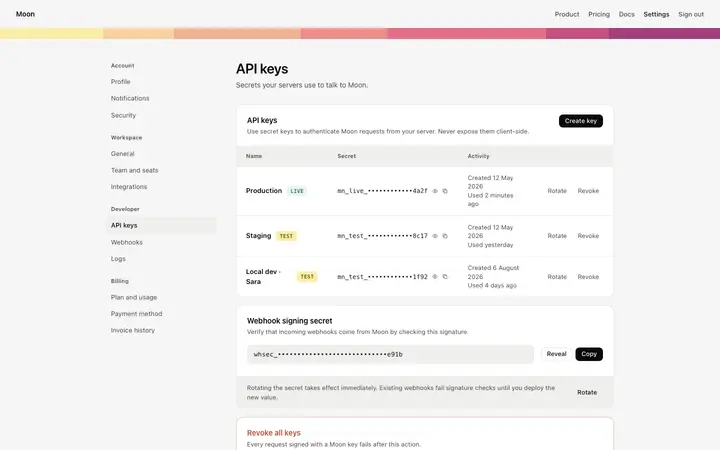
More vibe coding SaaS templates
View all
Other templates you might like