Claude Code animation templates for AI websites and apps
Real animation designs you can copy into Claude Code. Claude Code turns a pasted template into code in whatever stack your project already uses, from plain HTML to Next.js or SvelteKit. Below: the designs, how to set Claude Code up so it keeps the design, and what makes a good animation section.
Claude Code animation templates
179 animation design templates for Claude Code. Browse the full BrowserMoon library for every template category.
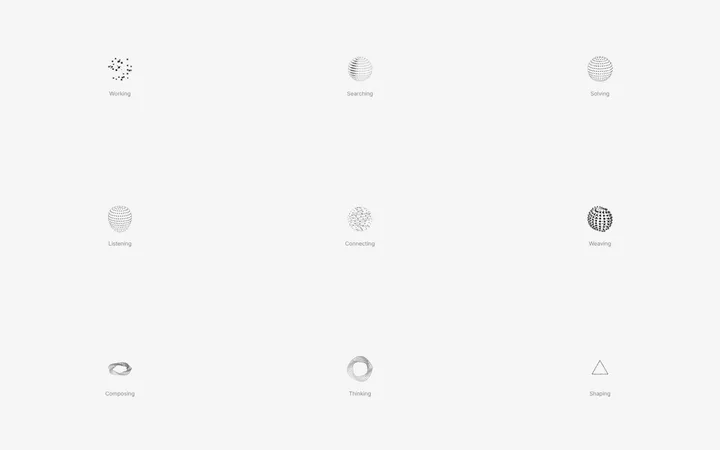
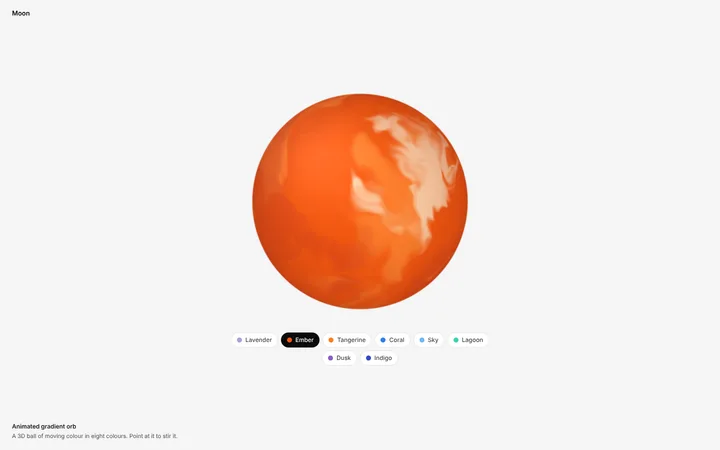
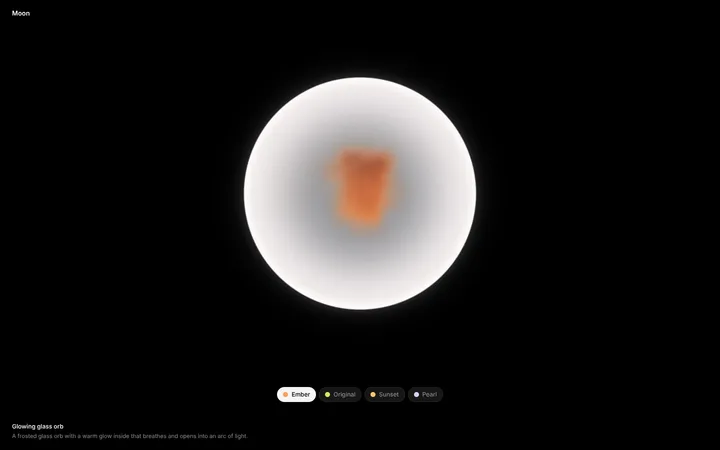
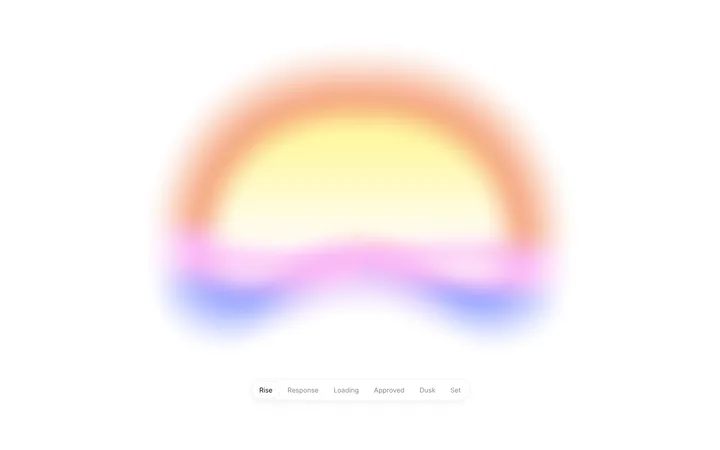
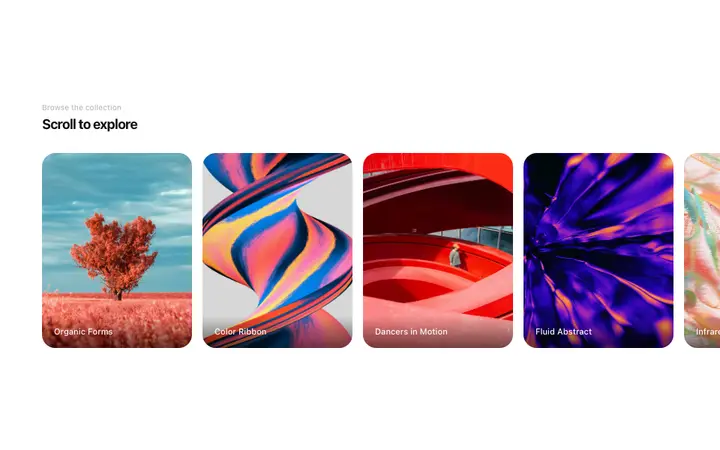
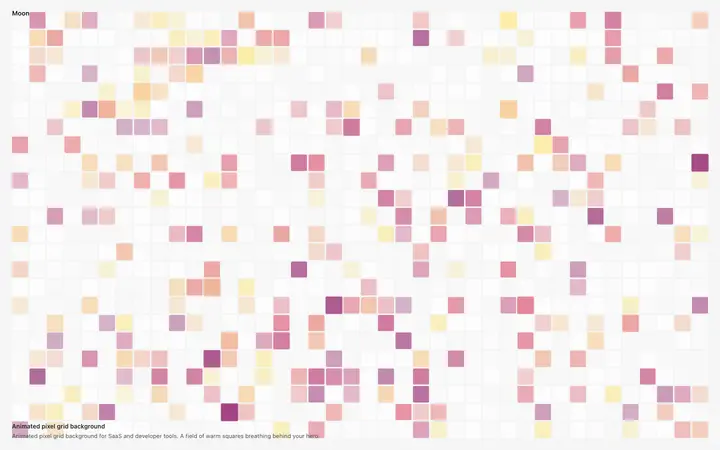
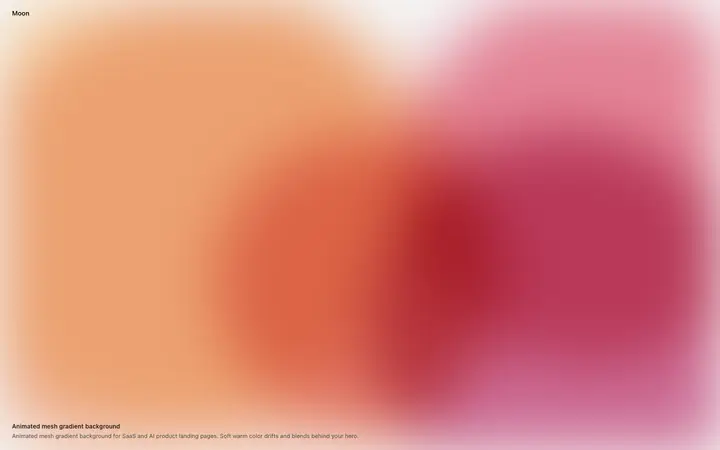
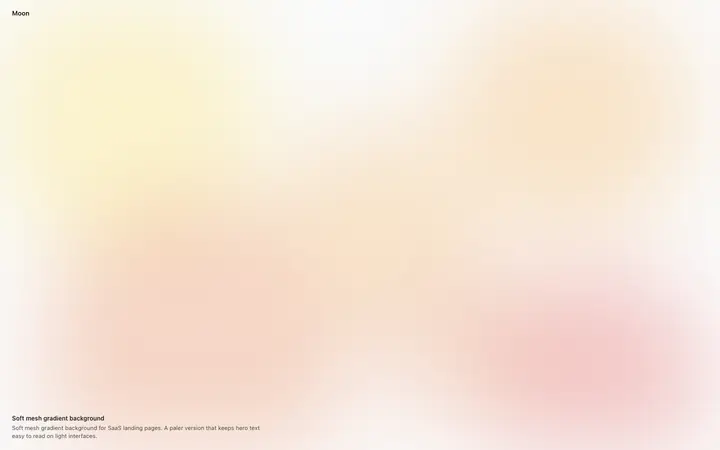
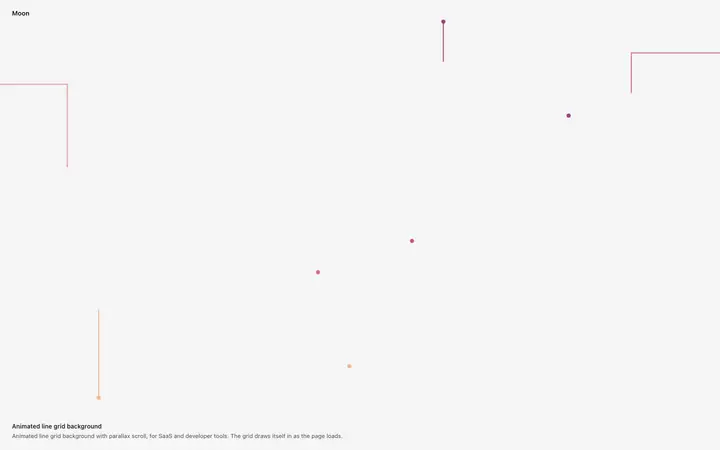
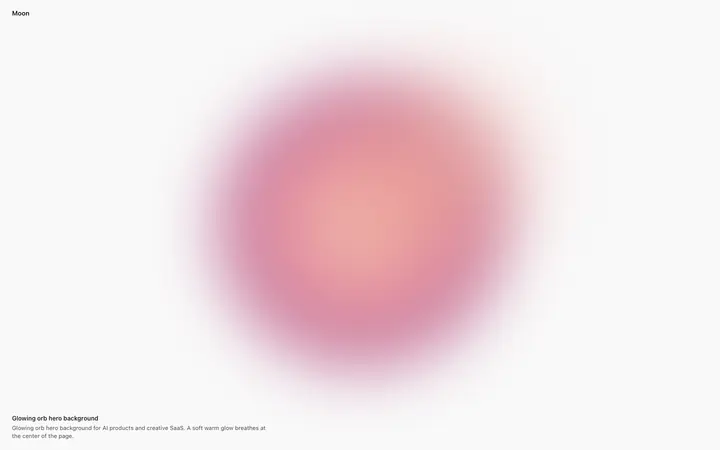
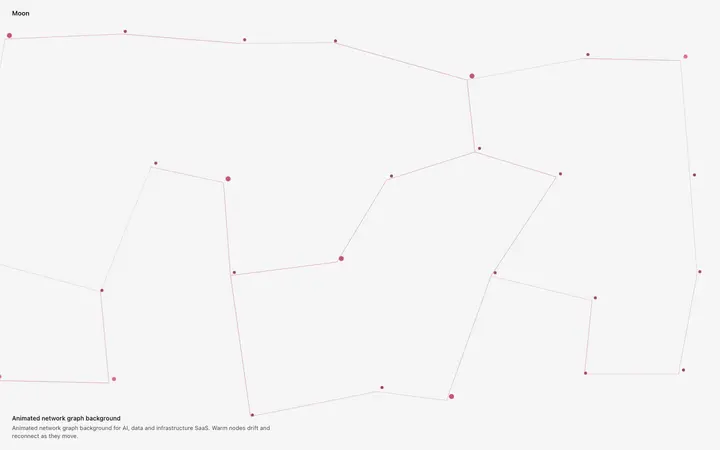
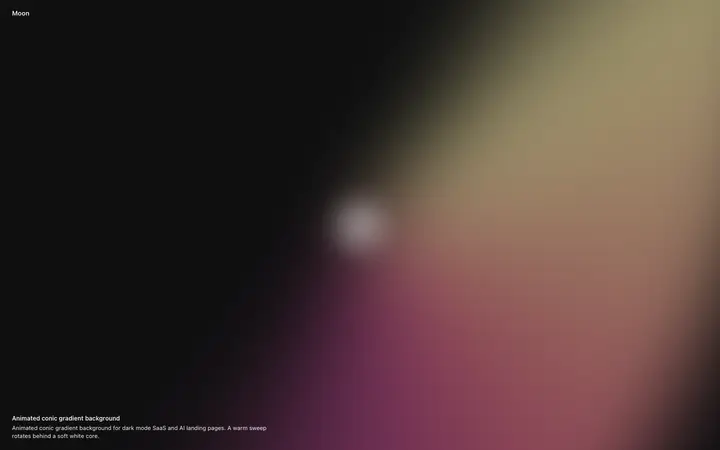
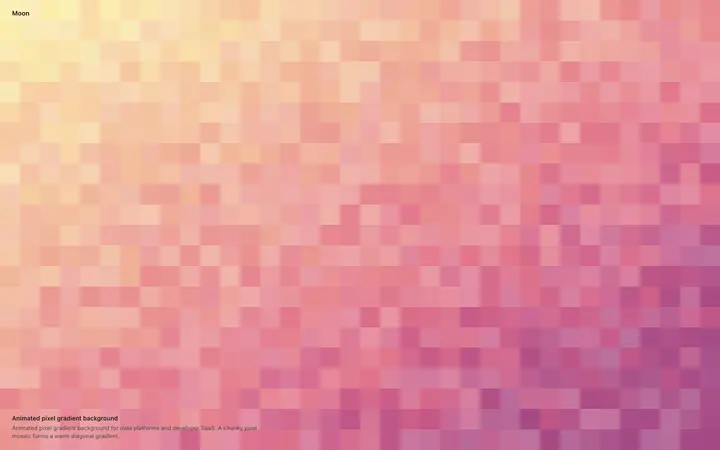
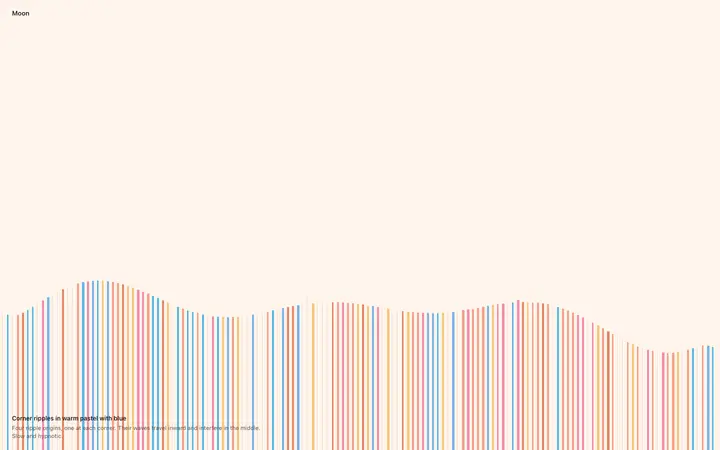
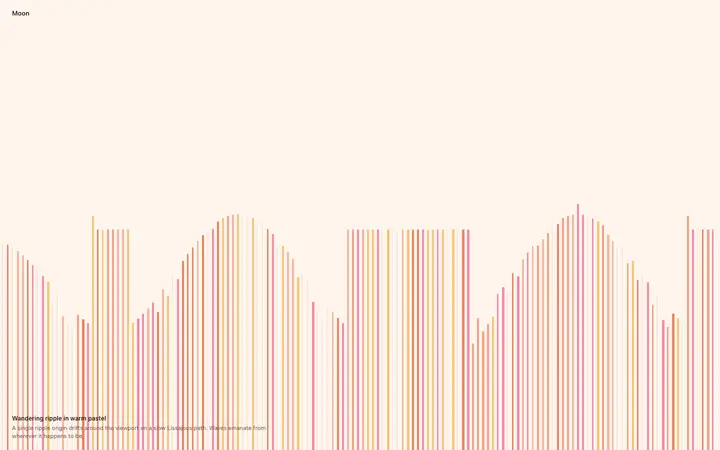
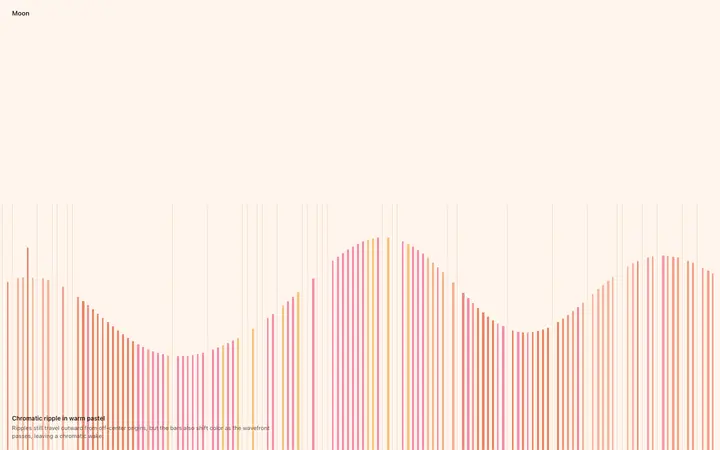
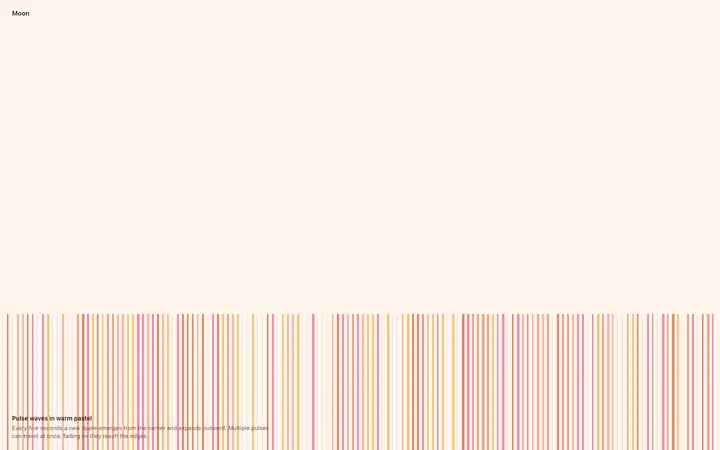
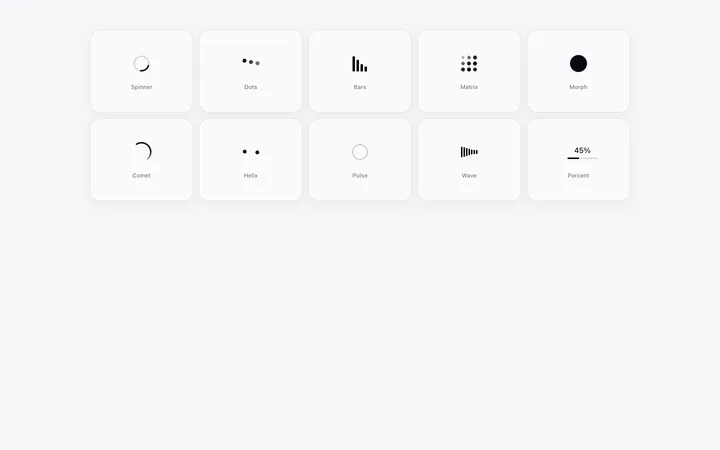
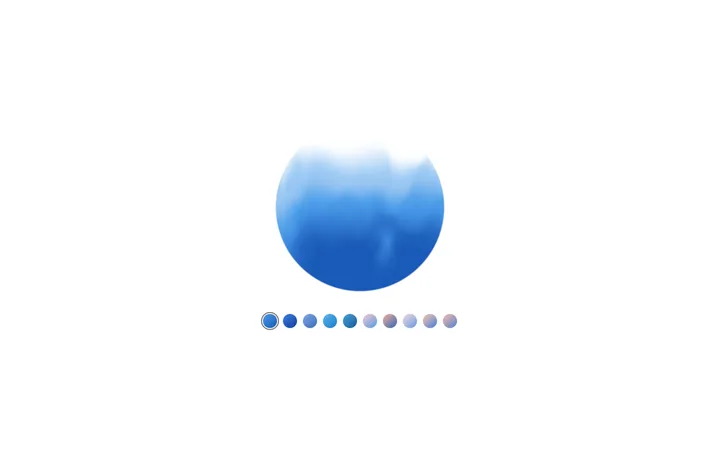
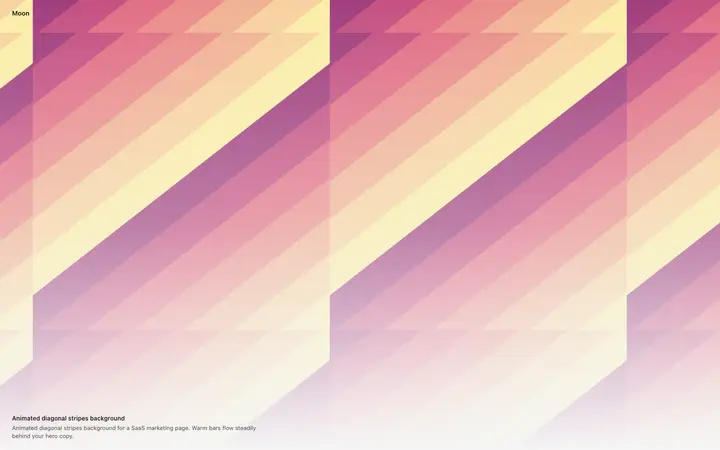
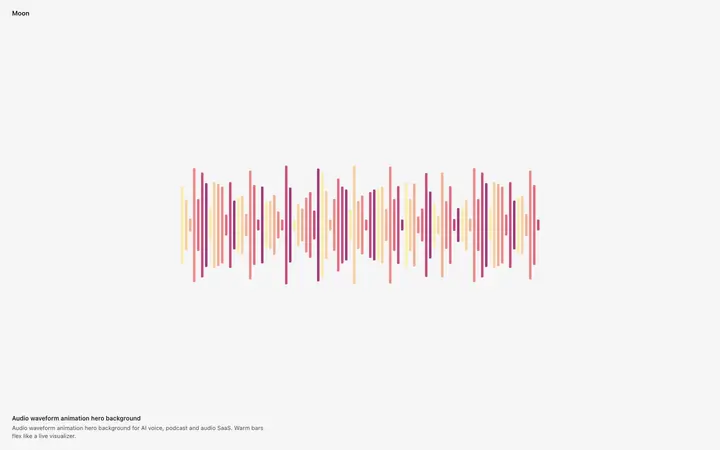
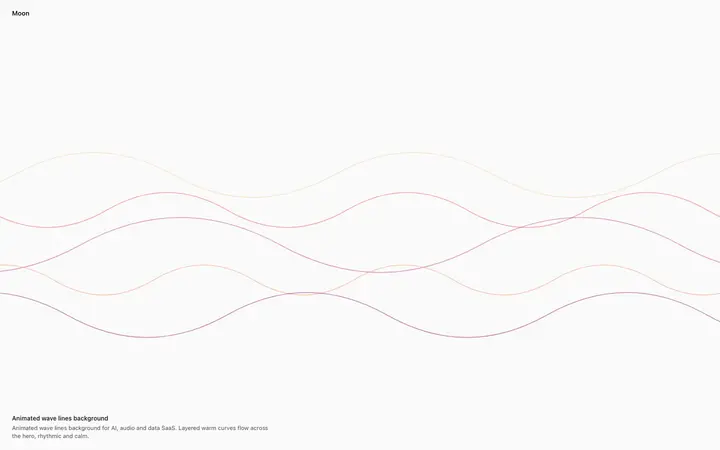
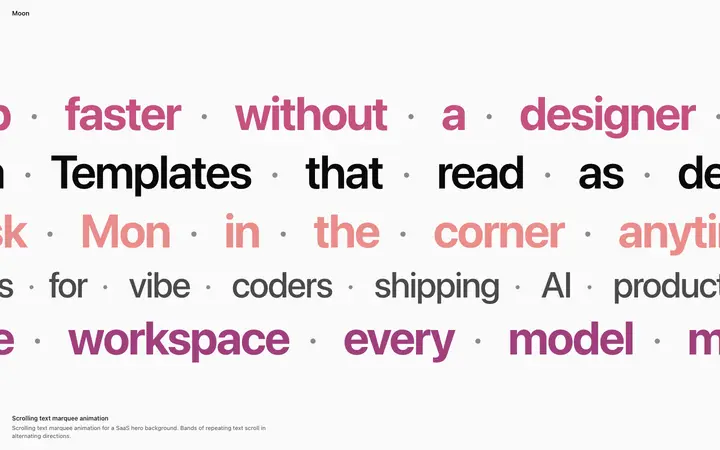
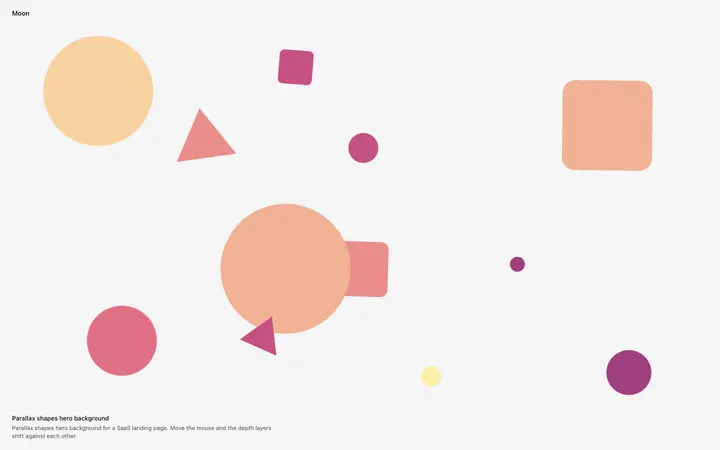
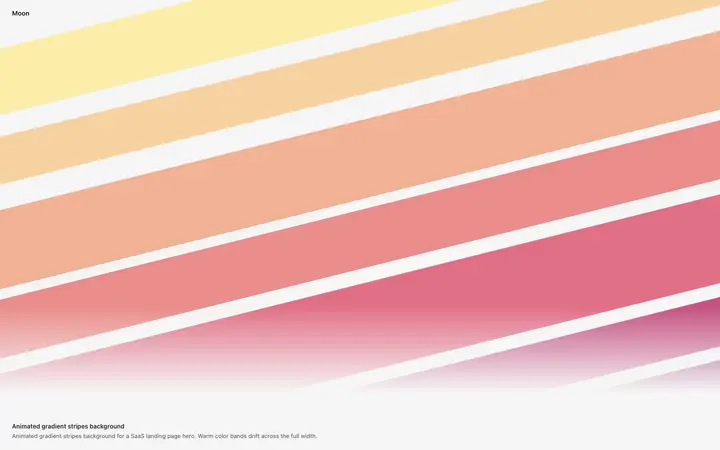
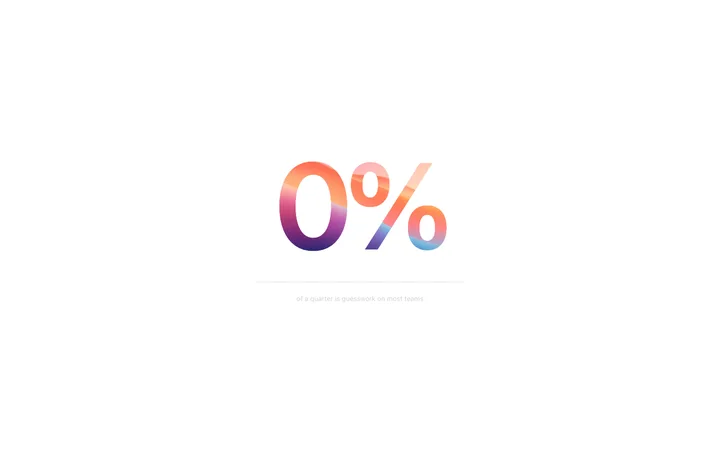
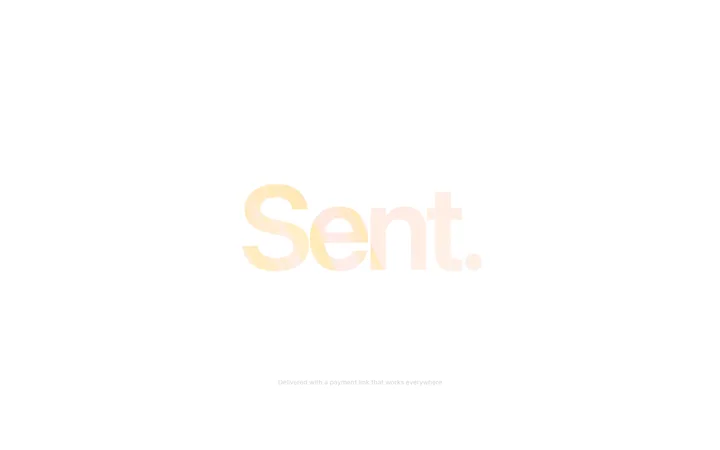
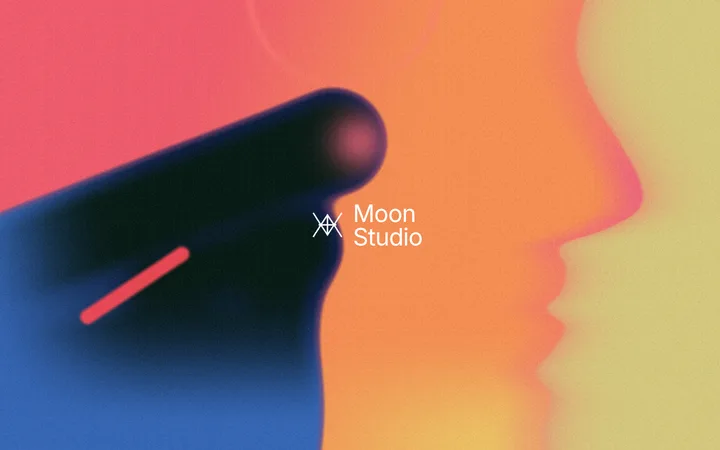
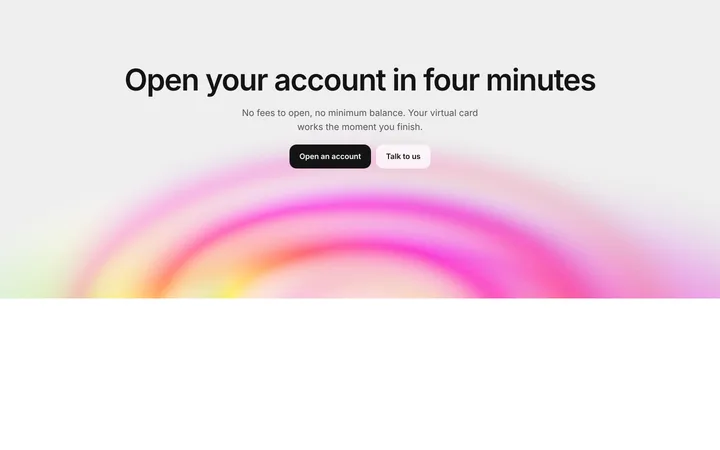
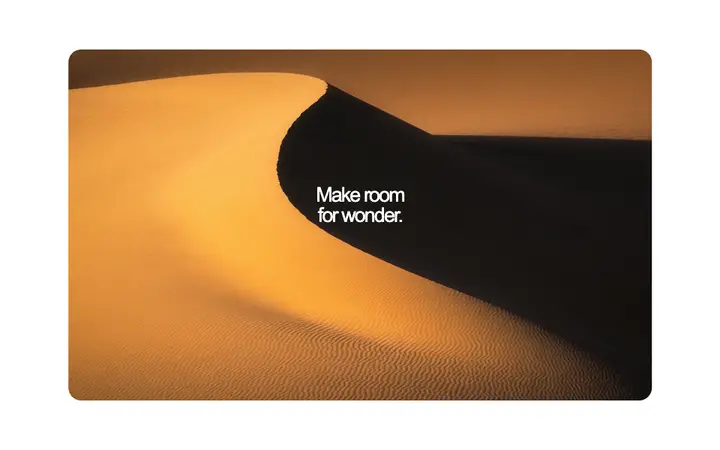
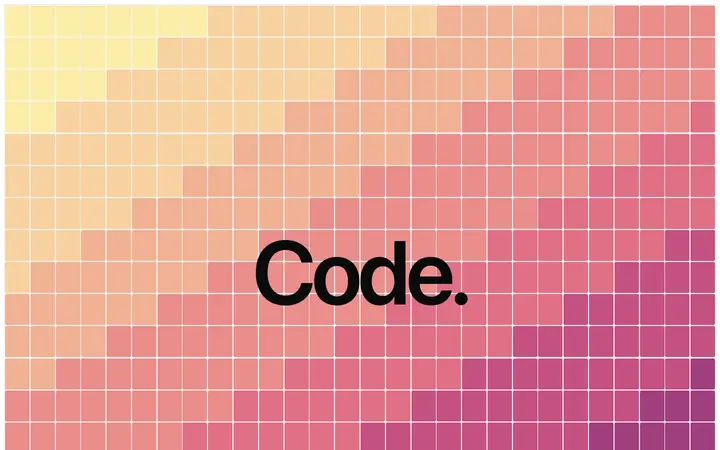
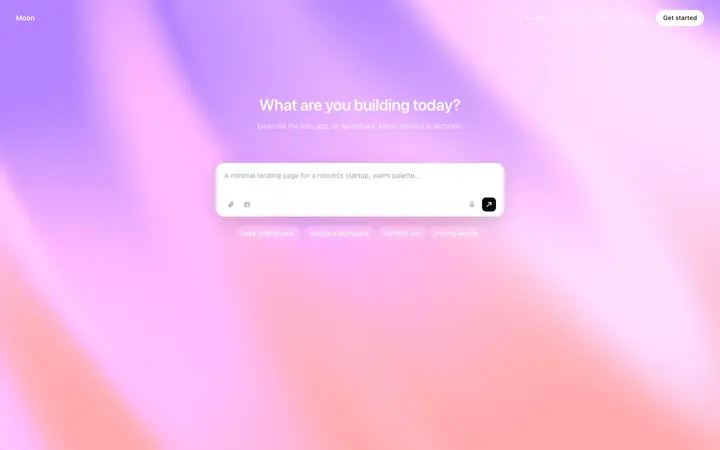
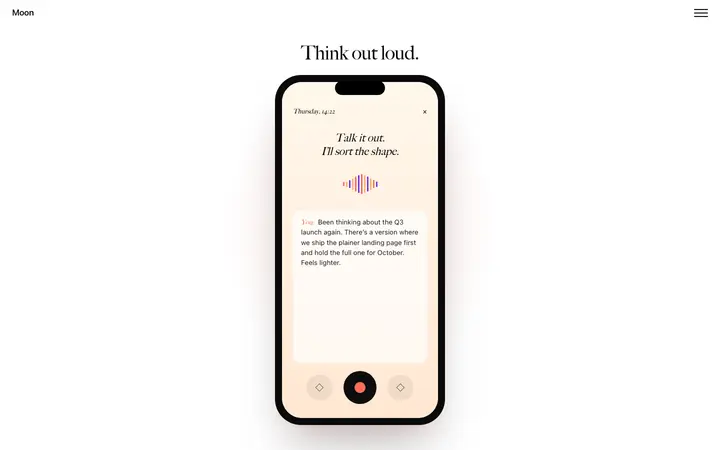
48 of 179
How to use animation templates with Claude Code
Pick a design
Choose a animation design above and open it to see it live.
Copy the template
Copy the template from its page. It is one HTML file with no dependencies.
Set up Claude Code
Save the template in your repo, for example as design/template.html, and point to it from CLAUDE.md so Claude Code reads it at the start of every session.
Prompt, then refine
Paste it and describe your product. Then follow up with: "Rebuild this section in our stack using design/template.html. Keep its spacing, type sizes and colours exactly; change only the text."
What makes a good animation section
Common types: scroll reveals, animated backgrounds, text animations, hover effects and loading states.
Motion with a job
Show what changed, what is clickable or how something works.
Short and smooth
Most interface motion feels right well under half a second.
Respect reduced motion
Turn motion off for people who ask for less.
Common mistake: Animating everything on scroll so the page feels slow.
Keeping the design in Claude Code
Claude Code works in your terminal on a real codebase, so it suits developers who want the design built into an existing project and kept consistent across many sessions.
What Claude Code builds
Code in whatever stack your project already uses, from plain HTML to Next.js or SvelteKit.
Where the design goes
Save the template in your repo, for example as design/template.html, and point to it from CLAUDE.md so Claude Code reads it at the start of every session.
Claude Code and animation sections
Ask it to keep the template's CSS keyframes and timing as they are, rather than adding a new animation library.
What to tell it
Keep the animation timing and easing from the template, and switch it off when the visitor prefers reduced motion.
Set it up once with our CLAUDE.md design template.
Not sure which animation design fits?
Ask Mon, the AI design assistant, describe your product and Mon suggests the animation design and how to prompt Claude Code with it.
Frequently asked questions
How do I use a animation template in Claude Code?
Paste the template code into your Claude Code session and tell it what to build around the design. Save the template in your repo, for example as design/template.html, and point to it from CLAUDE.md so Claude Code reads it at the start of every session.
What does Claude Code turn the template into?
Code in whatever stack your project already uses, from plain HTML to Next.js or SvelteKit.
How do I stop Claude Code changing the design?
Without a rule in CLAUDE.md, later sessions drift back to generic spacing and colours. A follow-up prompt that helps: "Rebuild this section in our stack using design/template.html. Keep its spacing, type sizes and colours exactly; change only the text."
What makes a good animation section?
Motion with a job: show what changed, what is clickable or how something works. Short and smooth: most interface motion feels right well under half a second. Respect reduced motion: turn motion off for people who ask for less.
Any Claude Code tips for animation sections?
Ask it to keep the template's CSS keyframes and timing as they are, rather than adding a new animation library.
More Claude Code template categories
Animation templates for other tools