ChatGPT Codex stats templates for AI websites and apps
Real stats designs you can copy into ChatGPT Codex. ChatGPT Codex turns a pasted template into changes to your repo in its existing stack, delivered as a task you review. Below: the designs, how to set ChatGPT Codex up so it keeps the design, and what makes a good stats section.
ChatGPT Codex stats templates
62 stats design templates for ChatGPT Codex. Browse the full BrowserMoon library for every template category.
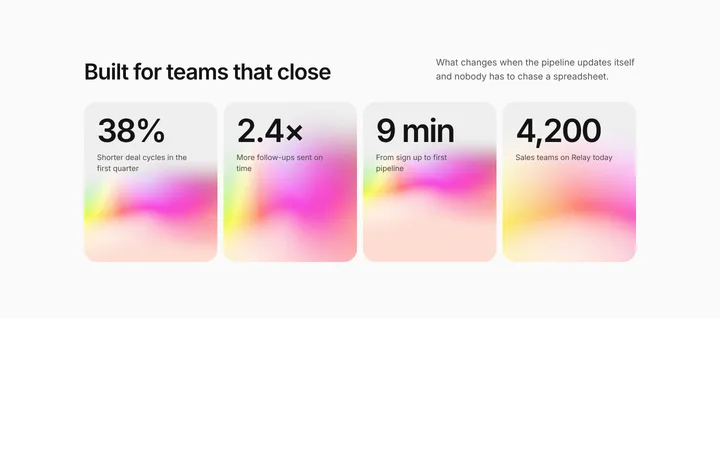
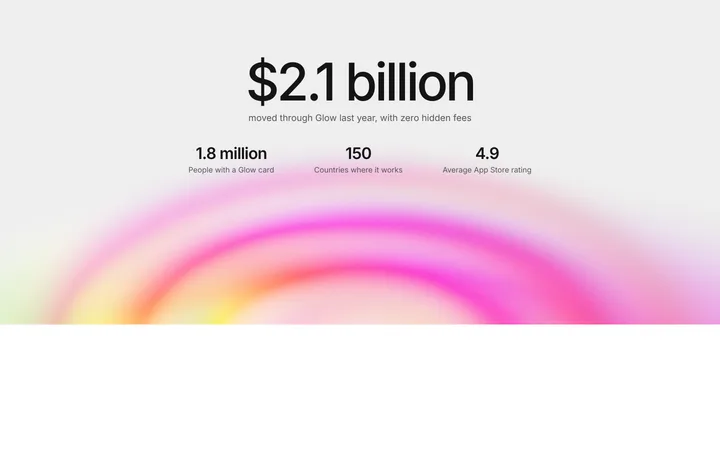


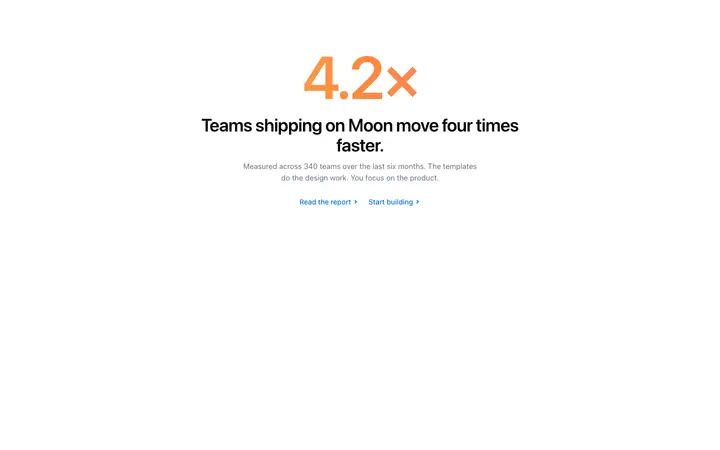
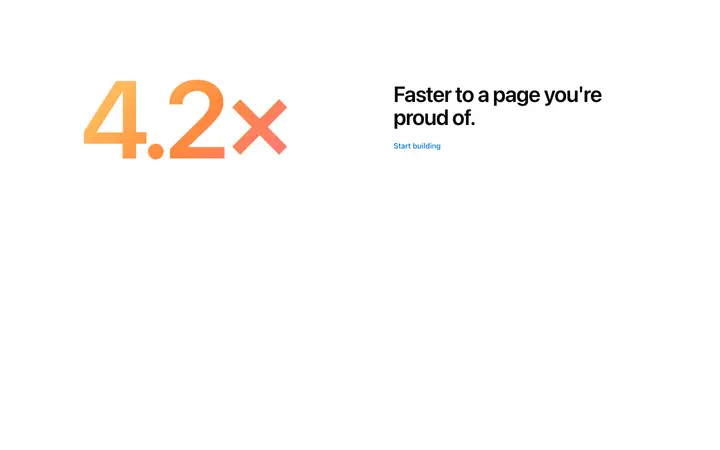
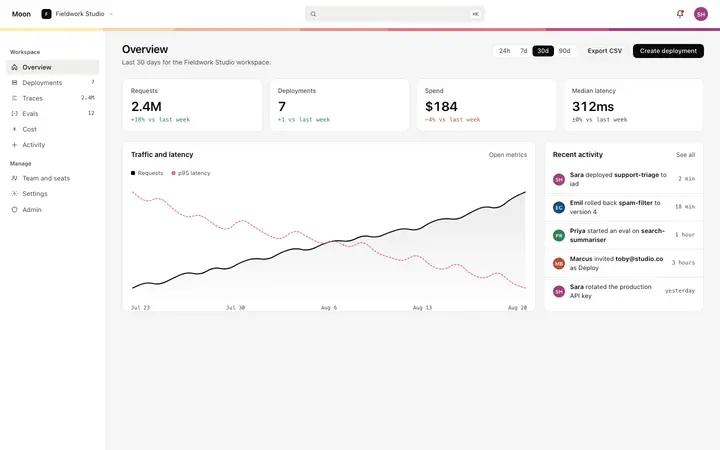
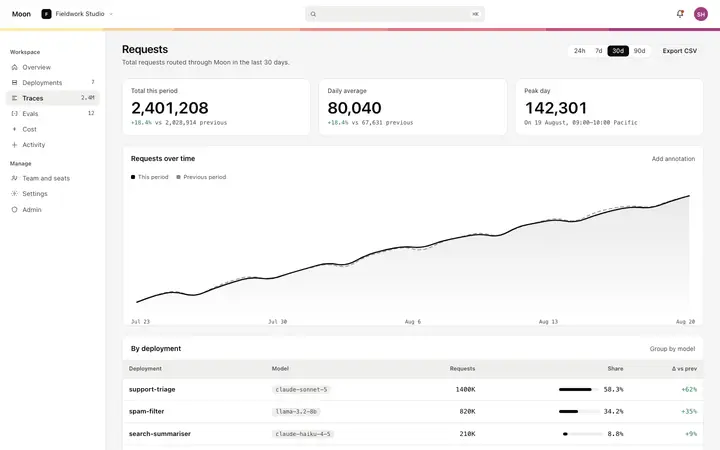
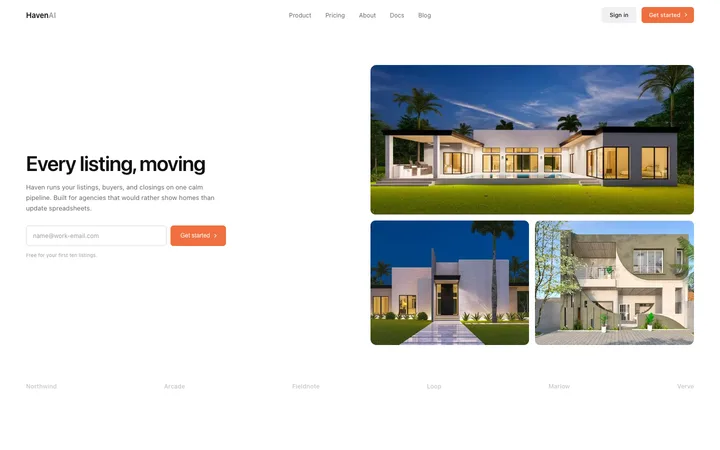
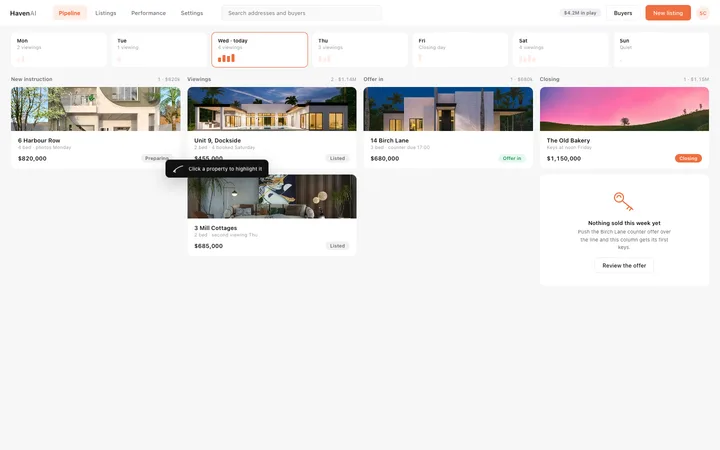
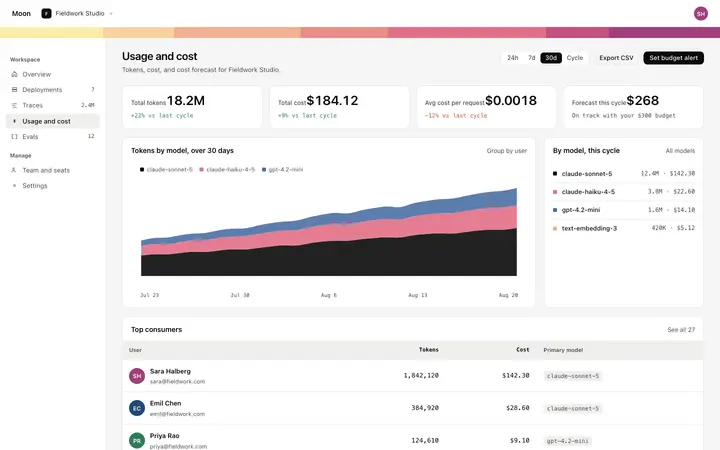
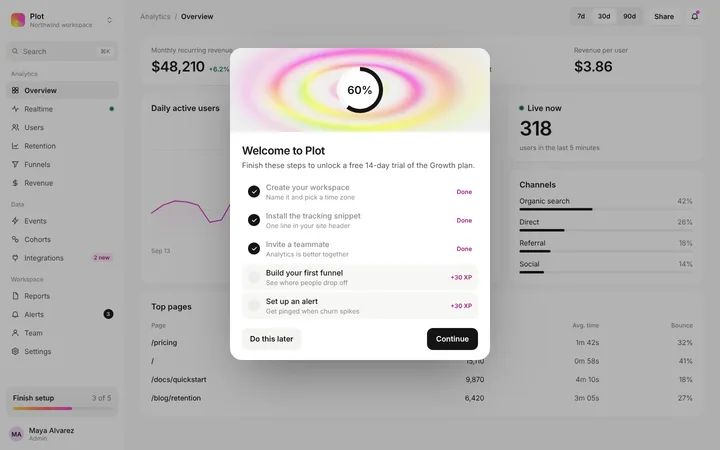
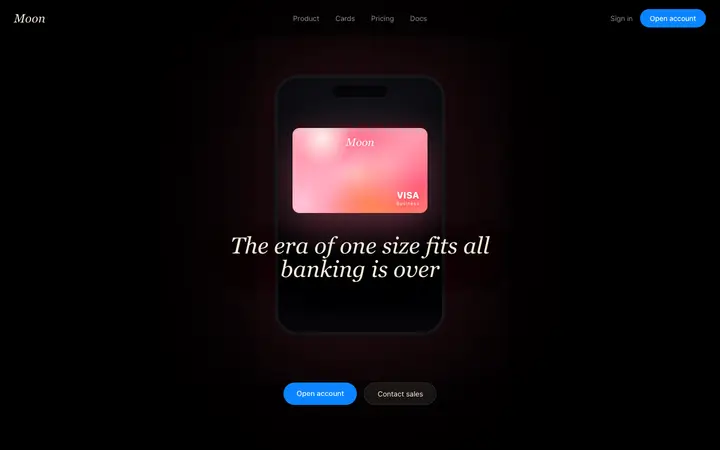
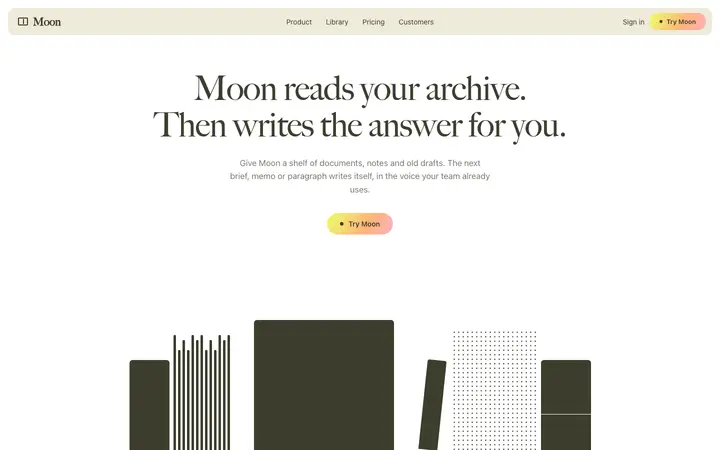

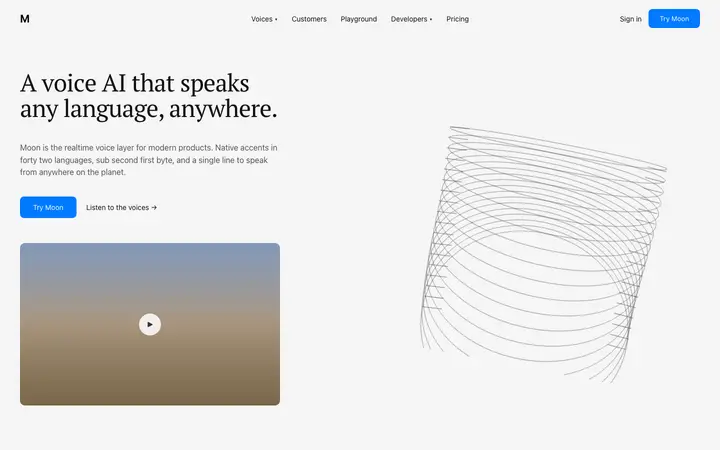
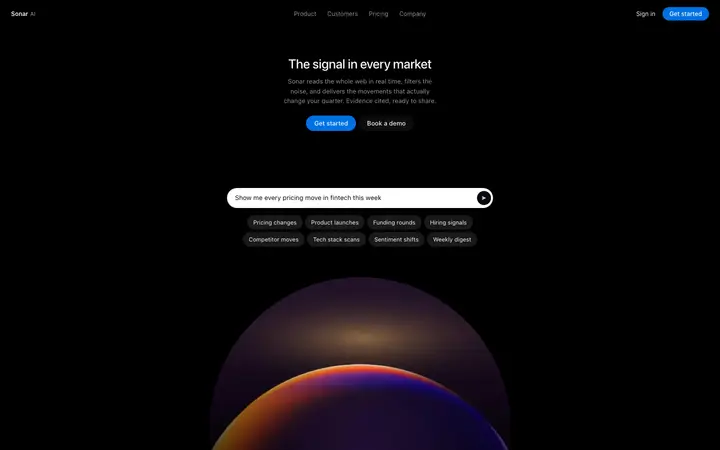
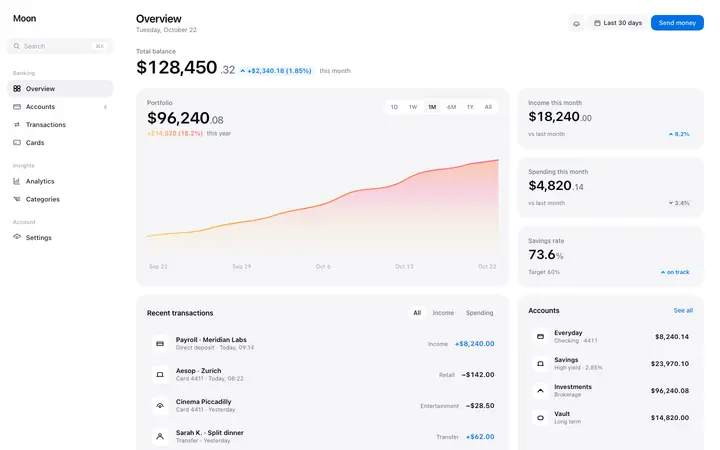
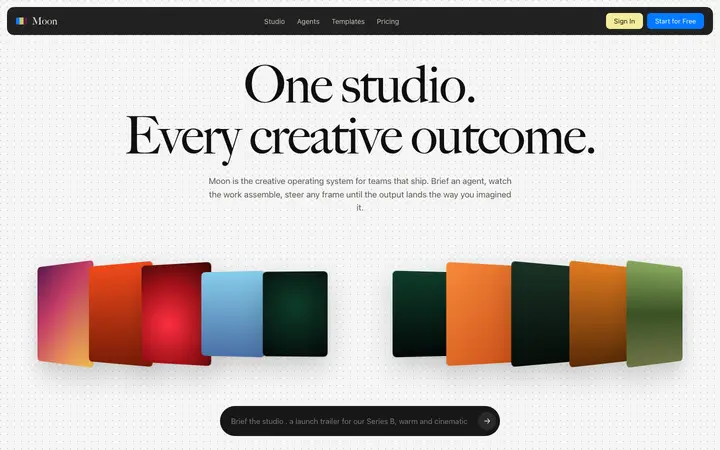


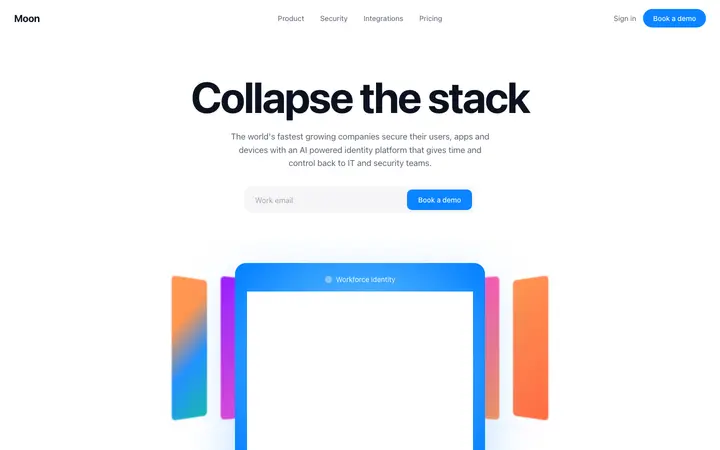
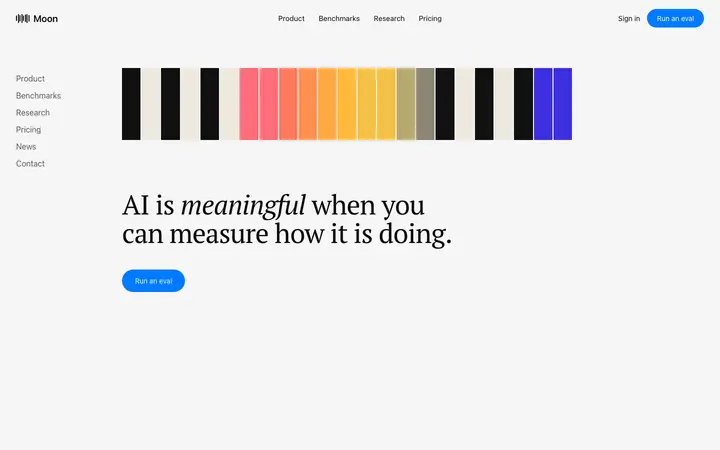


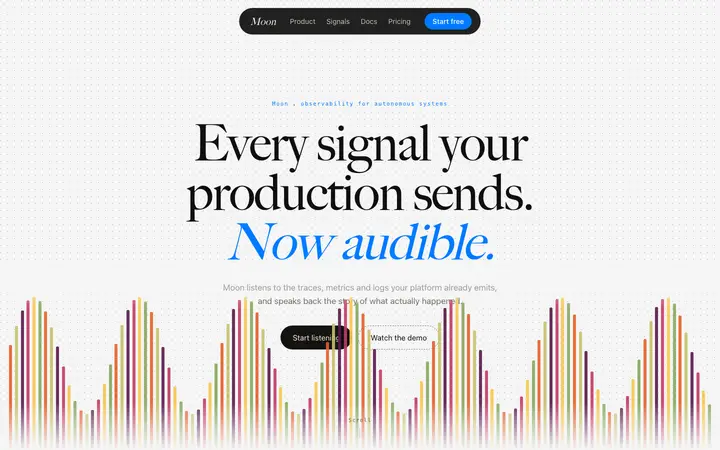
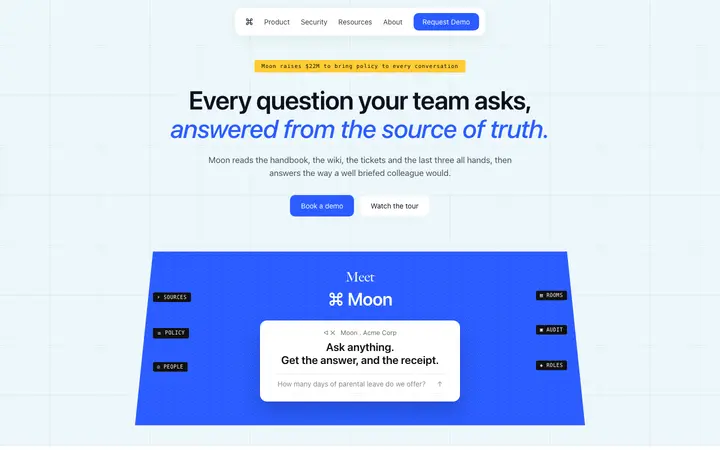
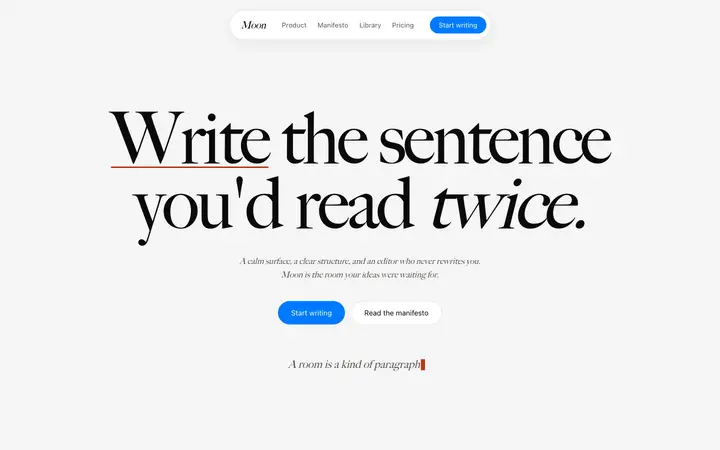
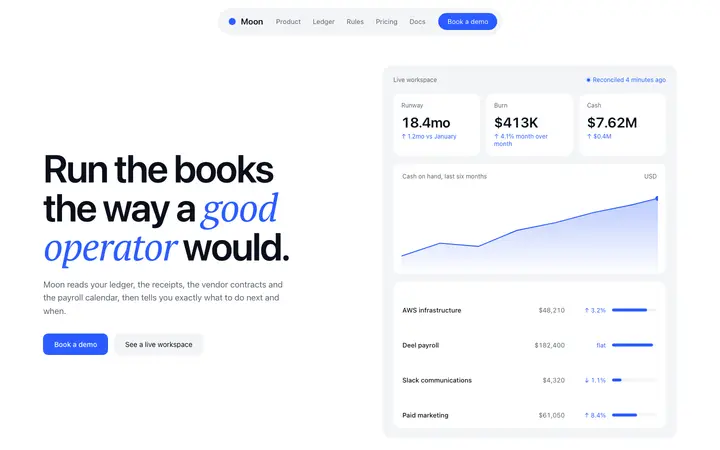

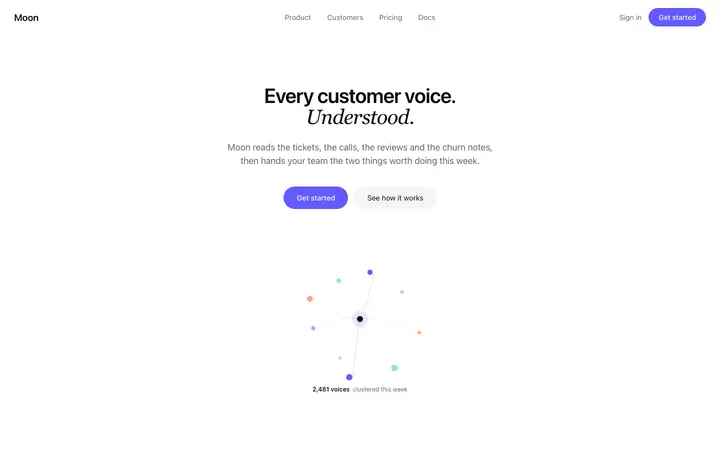
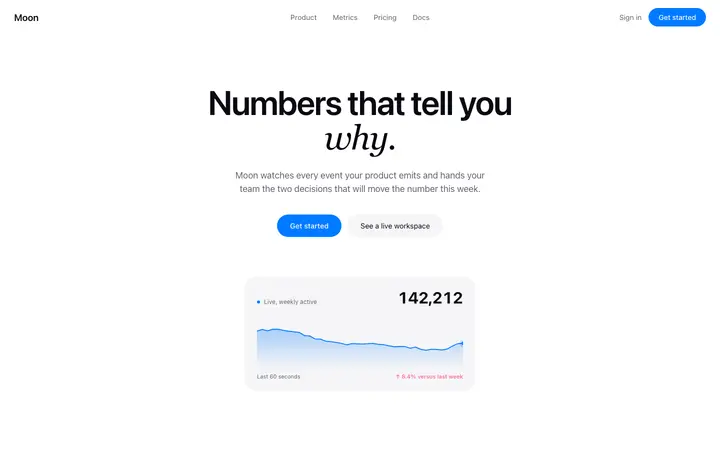
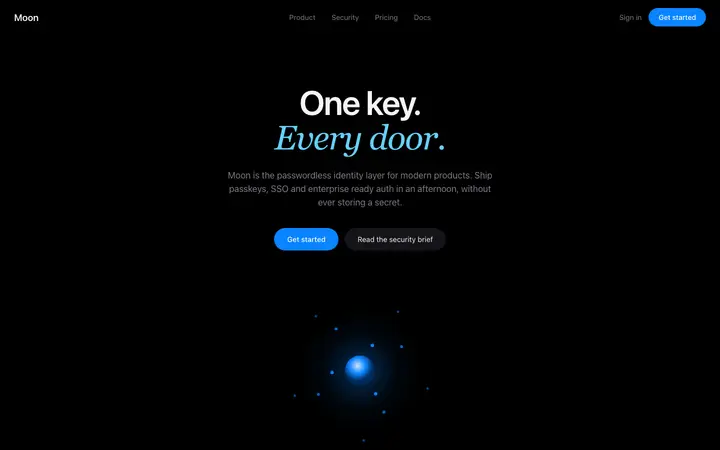
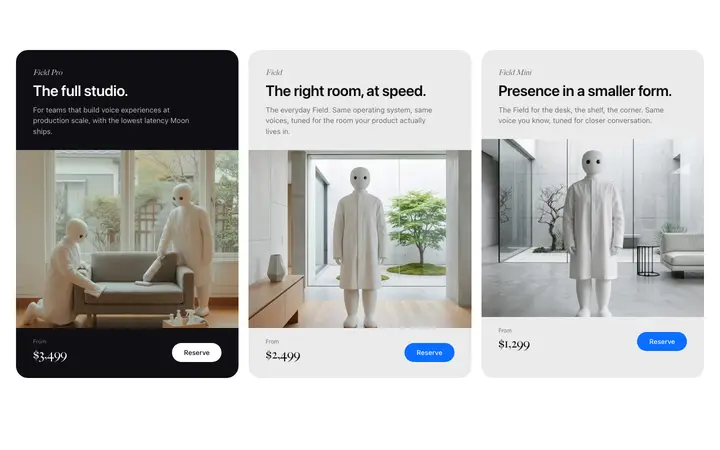

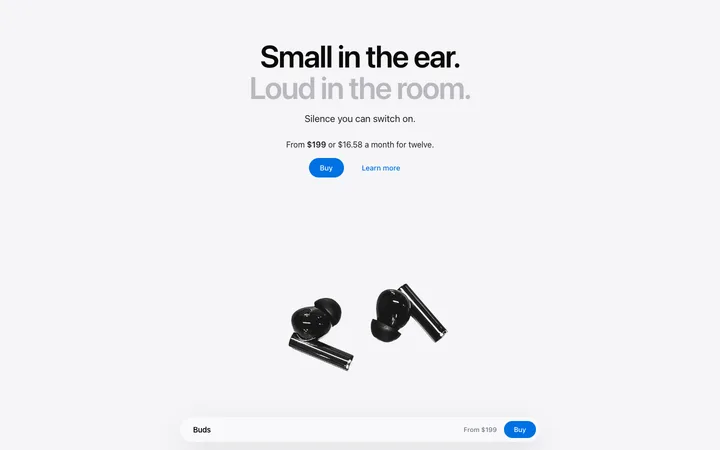
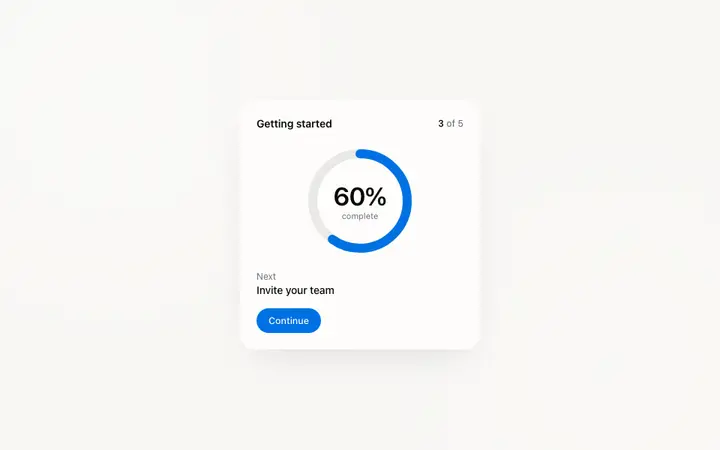
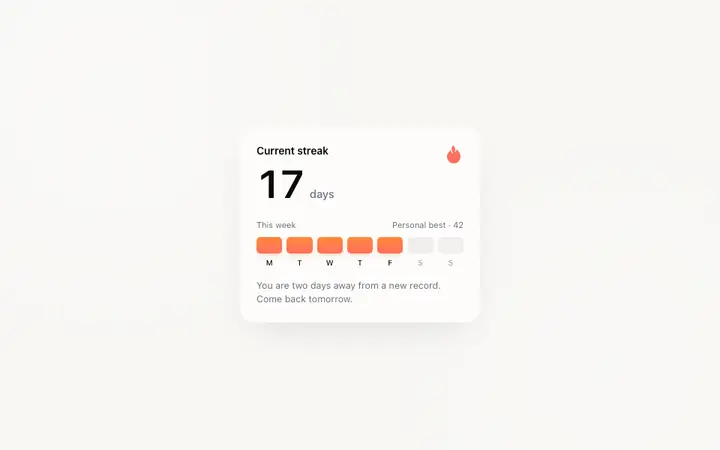
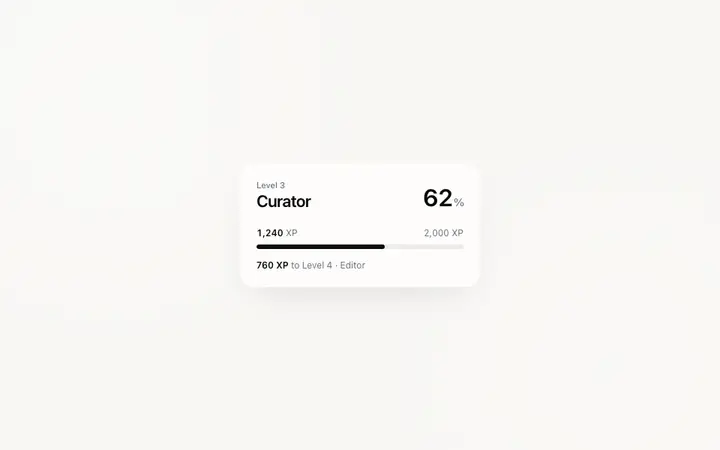
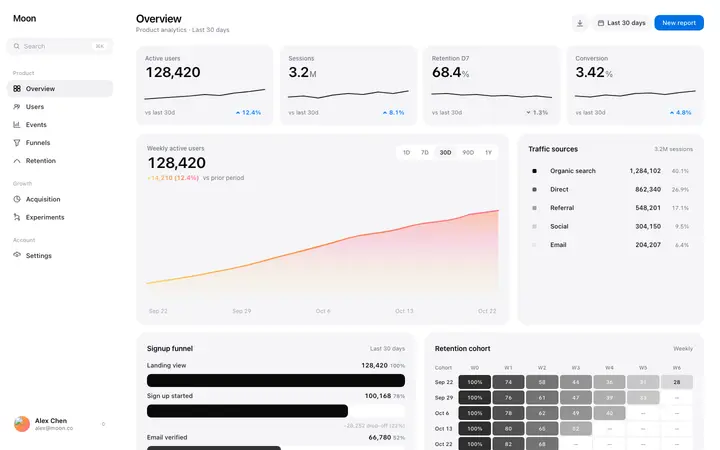
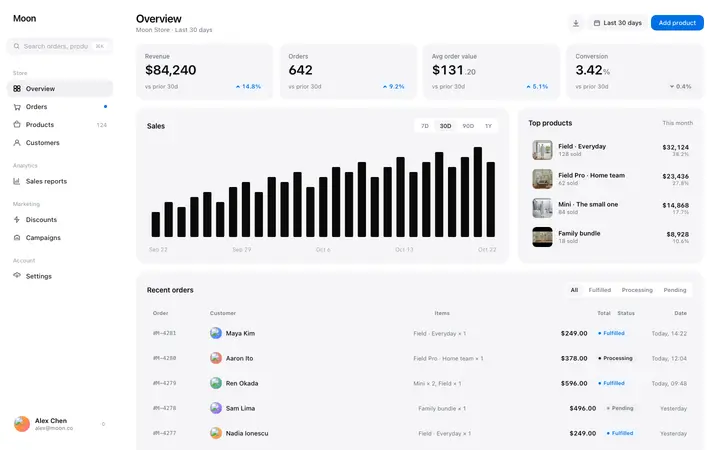
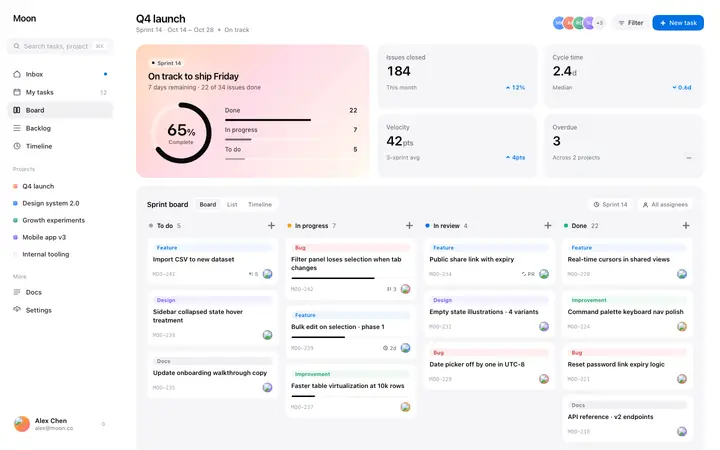
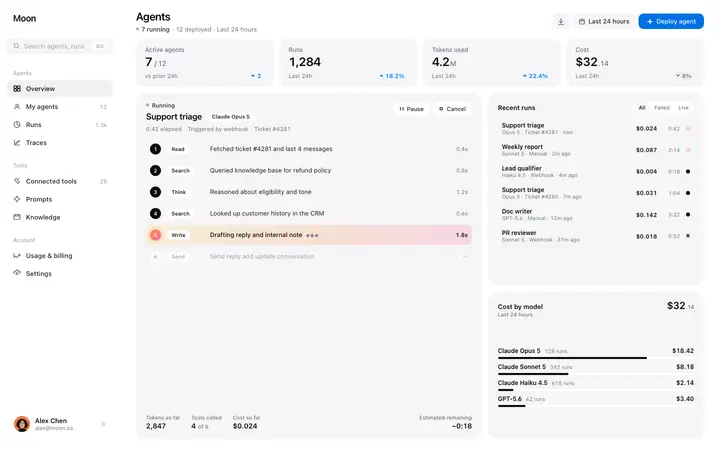
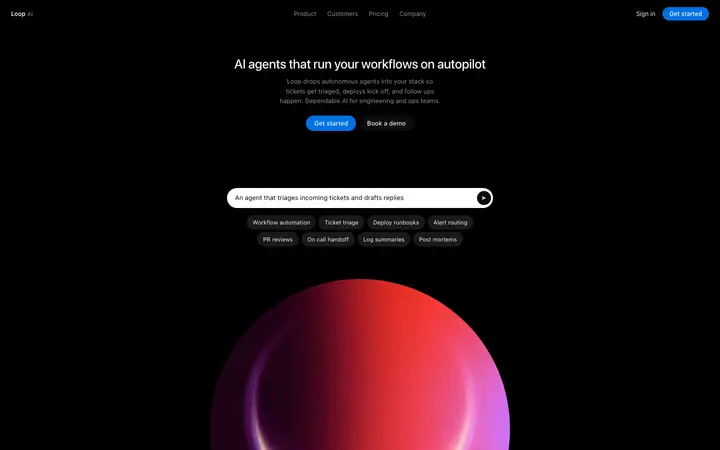
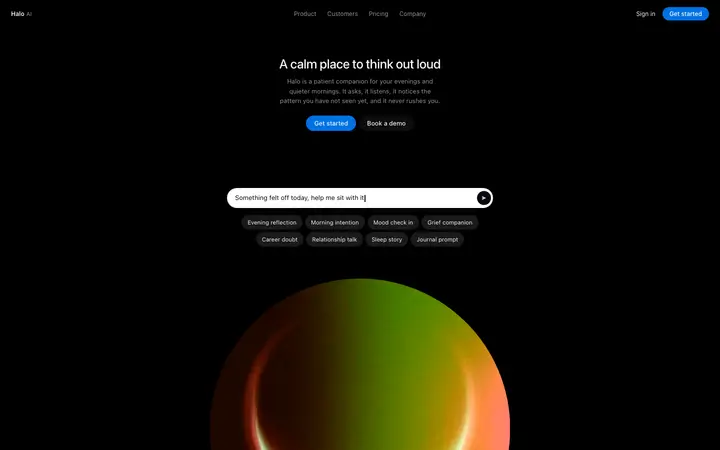

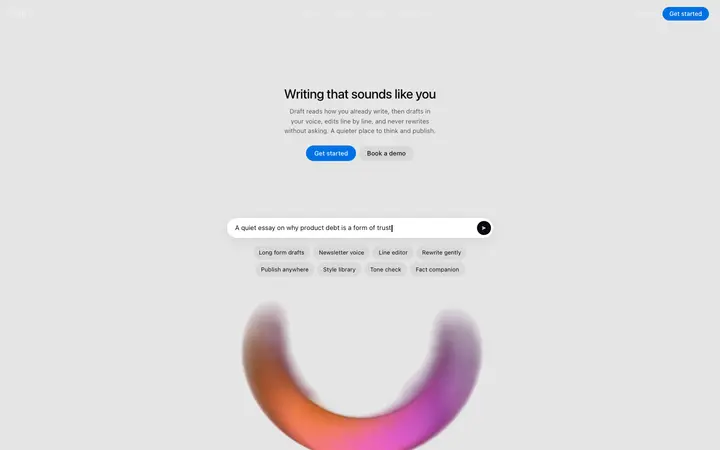
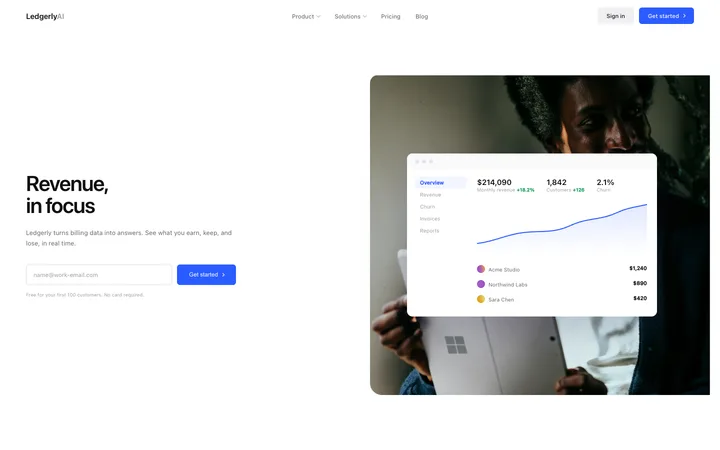
48 of 62
How to use stats templates with ChatGPT Codex
Pick a design
Choose a stats design above and open it to see it live.
Copy the template
Copy the template from its page. It is one HTML file with no dependencies.
Set up ChatGPT Codex
Commit the template to your repo and describe it in AGENTS.md, so every Codex task builds to the same design.
Prompt, then refine
Paste it and describe your product. Then follow up with: "Implement this section to match design/template.html exactly. Do not introduce new colours or fonts."
What makes a good stats section
Common types: a row of big numbers, stats inside a dark band, and stats paired with a chart or a customer story.
A few big numbers
Three or four, each with a short label.
Numbers people can check
Real figures with a time frame, like "in 2026".
Placed near a claim
Stats work best right after the promise they prove.
Common mistake: Rounded vanity numbers with no context.
Keeping the design in ChatGPT Codex
Codex works on your repository as tasks you review, so it suits teams who want design work to arrive as reviewable changes.
What ChatGPT Codex builds
Changes to your repo in its existing stack, delivered as a task you review.
Where the design goes
Commit the template to your repo and describe it in AGENTS.md, so every Codex task builds to the same design.
ChatGPT Codex and stats sections
Each task starts fresh, so without AGENTS.md the design is not carried from one task to the next. Paste the template again with your follow-up prompt if it starts to drift.
What to tell it
Keep the number size and spacing, and use real figures with a short label and time frame.
Set it up once with our AGENTS.md design template.
Not sure which stats design fits?
Ask Mon, the AI design assistant, describe your product and Mon suggests the stats design and how to prompt ChatGPT Codex with it.
Frequently asked questions
How do I use a stats template in ChatGPT Codex?
Paste the template code into your ChatGPT Codex session and describe what you want to build around the design. Commit the template to your repo and describe it in AGENTS.md, so every Codex task builds to the same design.
What does ChatGPT Codex turn the template into?
Changes to your repo in its existing stack, delivered as a task you review.
How do I stop ChatGPT Codex changing the design?
Each task starts fresh, so without AGENTS.md the design is not carried from one task to the next. A follow-up prompt that helps: "Implement this section to match design/template.html exactly. Do not introduce new colours or fonts."
What makes a good stats section?
A few big numbers: three or four, each with a short label. Numbers people can check: real figures with a time frame, like "in 2026". Placed near a claim: stats work best right after the promise they prove.
Any ChatGPT Codex tips for stats sections?
Each task starts fresh, so without AGENTS.md the design is not carried from one task to the next. Paste the template again with your follow-up prompt if it starts to drift.
More ChatGPT Codex template categories
Stats templates for other tools